
11|05|2026: curator.ie is undergoing a major overhaul. New design and content elements will be added over the next two weeks.
innovate | engage | excite
I set up curator.ie in 2010 as a vehicle for innovative curatorial projects with a strong public engagement component and collaborative ethos. I specialise in bringing long-forgotten or overlooked photographic archives and collections into the public domain, usually through exhibitions curated in partnership with arts and heritage organisations.
Along the way I have curated several landmark projects in terms of the history of social documentary photography in Ireland. Clearly, these projects are never fully retrospective. Legacies matter. Recovering forgotten photography and film happens in the present and demands that we engage with contemporary practice.
Innovation
I studied social documentary photography at the National College of Art and Design, enrolling in 1978 and graduating in 1984. Art education was transformed by a student revolution in 1971, which forced NCAD to recognise photography as degree subject.
One year later, BBC broadcast John Berger’s Ways of Seeing and it revolutionised the study of photography. Also, anthropology became a requirement and opened a route to Structuralism and others theories of representation. The result was a long engagement with the idea of folk culture.
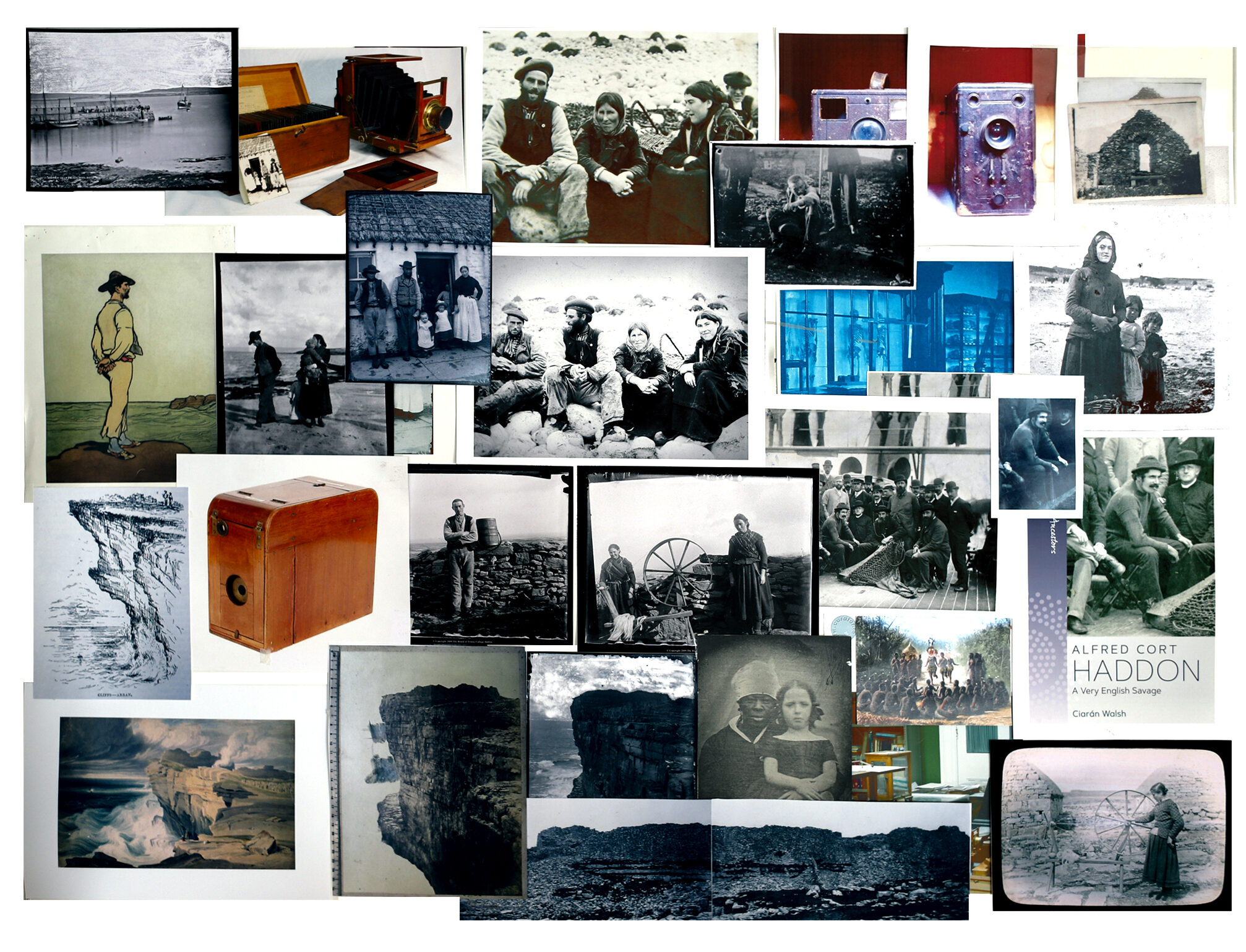
All is connected: placing Haddon and Synge at the centre of a long experiment in photography in the Aran Islands (© Ciarán Walsh | curator.ie).
Tensions between art and folk culture enlivened my work as curator at the National Folk Theatre of Ireland (1995-201). Authenticity is always an issue when talking about folk theatre. Indeed, tricky interactions between tradition, remembrance and identity become acute when comparing staged folk life with ethnographic “evidence”.
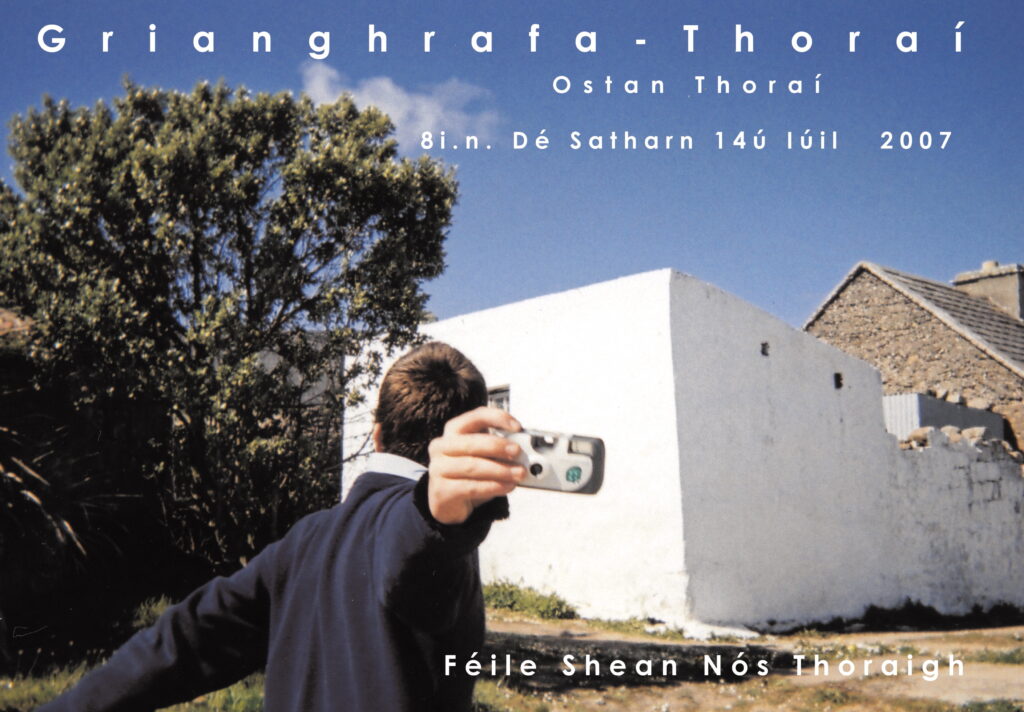
Thus began a drift into anthropology and I curated three projects in 2007 that explored conflicting representations of folklife. The first was an academically naive essay on photographer Robert John Welch. The second was a collective self-portrait of Tory islanders, which was a response to Magnum photographer Martine Franck’s 1995 project.
The third was the most consequential of all – a centenary exhibition of John Millington Synge’s photographs. Long story short, Synge was a big hit and led to Charles R. Browne and Alfred Cort Haddon.They led to a box of photographs Andrew Francis Dixon took in the Aran Islands in 1890. Evidently, he left them on a shelf in TCD where they remained out of sight until I found them in 2014.
Discoveries don’t get much better than this and Dixon’s photographs became a five-year doctoral investigation of ethnographic photography. I showed how photography was a long-forgotten component of the skull-measuring business in Ireland. The result is a radically new way of looking at Anglo-Irish ethnographic photography.
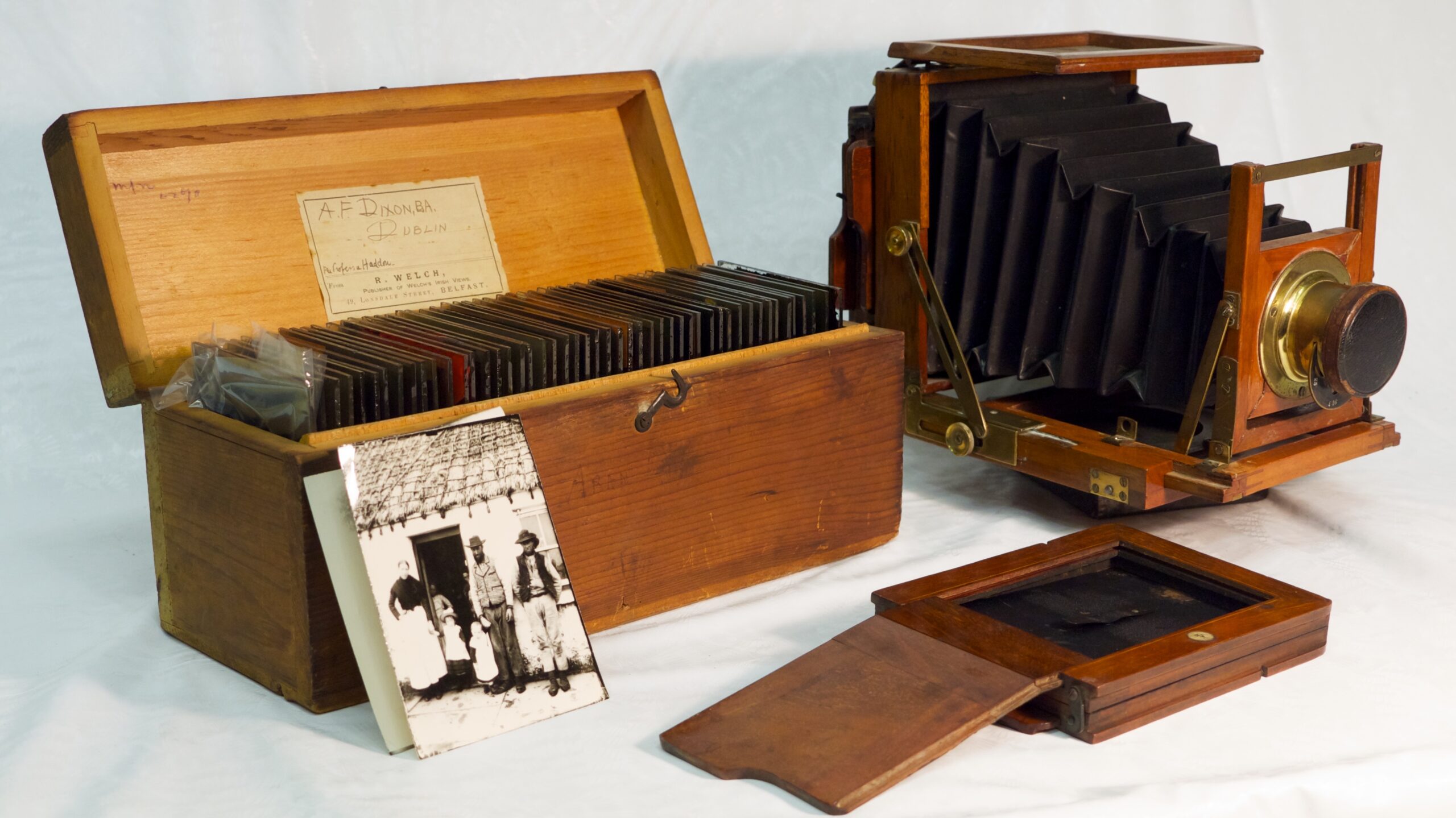

Andrew Francis Dixon, 1890, Inishmaan, The Aran Islands, digital scan of glass plate negative (© Ciarán Walsh | curator.ie).
Collaborative Ethos TBC
Public Engagement TBC
Legacies TBC
Current Projects TBC
SLIDESHOW 2023-2026
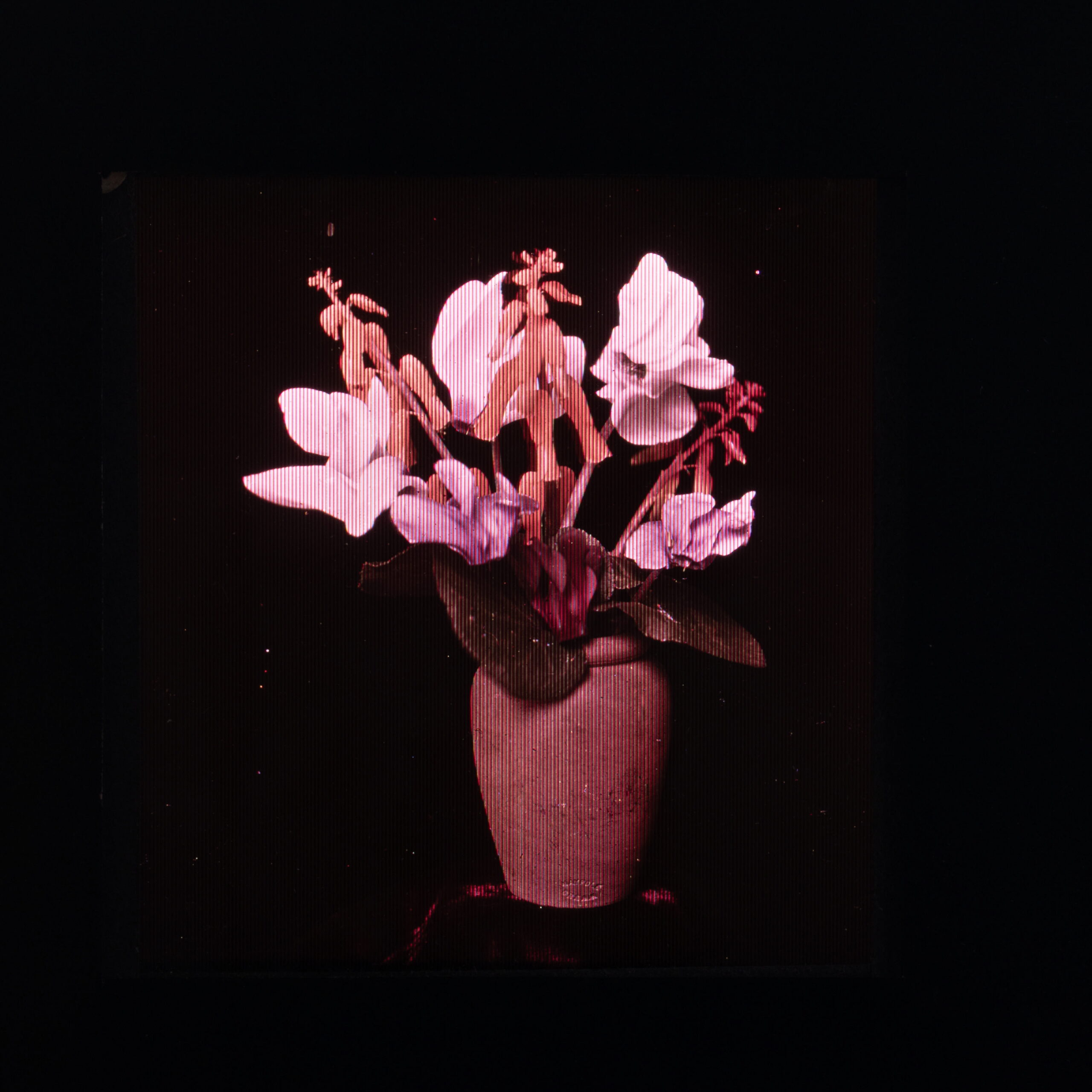
John Joly, c1896, Vase with Flowers (© Adrian Dixon Collection).
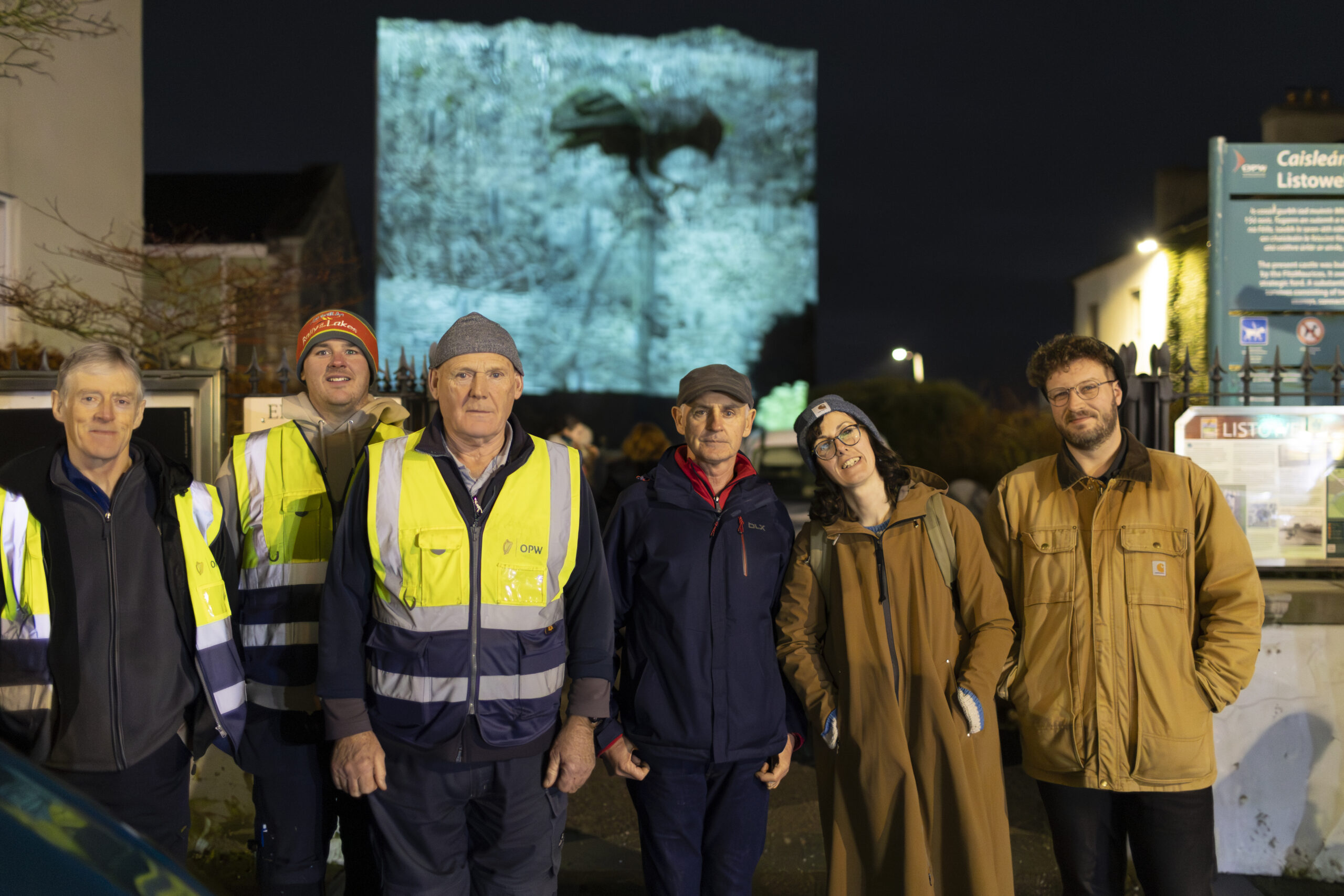
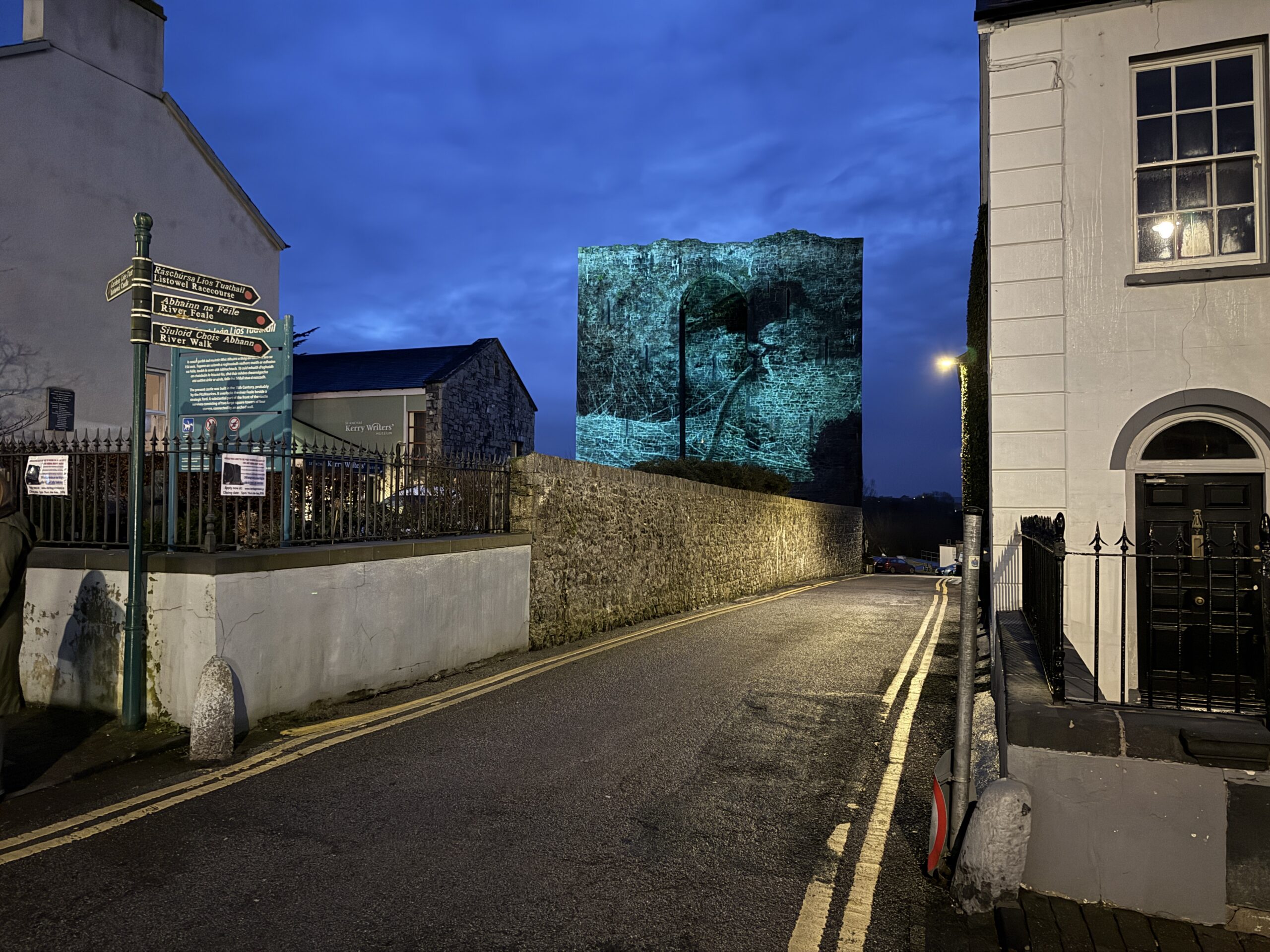
Turning a mediaeval castle into a community cinema: OPW’s monument care team with Rushes | Luachair curator Laura Fitzgerald at a screening of Lorraine Neeson’s artwork Raven (below) on 31 January 2026. L-R: Charlie Broderick, Paul Moynihan, Jim Counihan, Mike Moynihan, Laura Fitzgerald and artist Chris Steenson. (photo Ciarán Walsh | curator.ie).
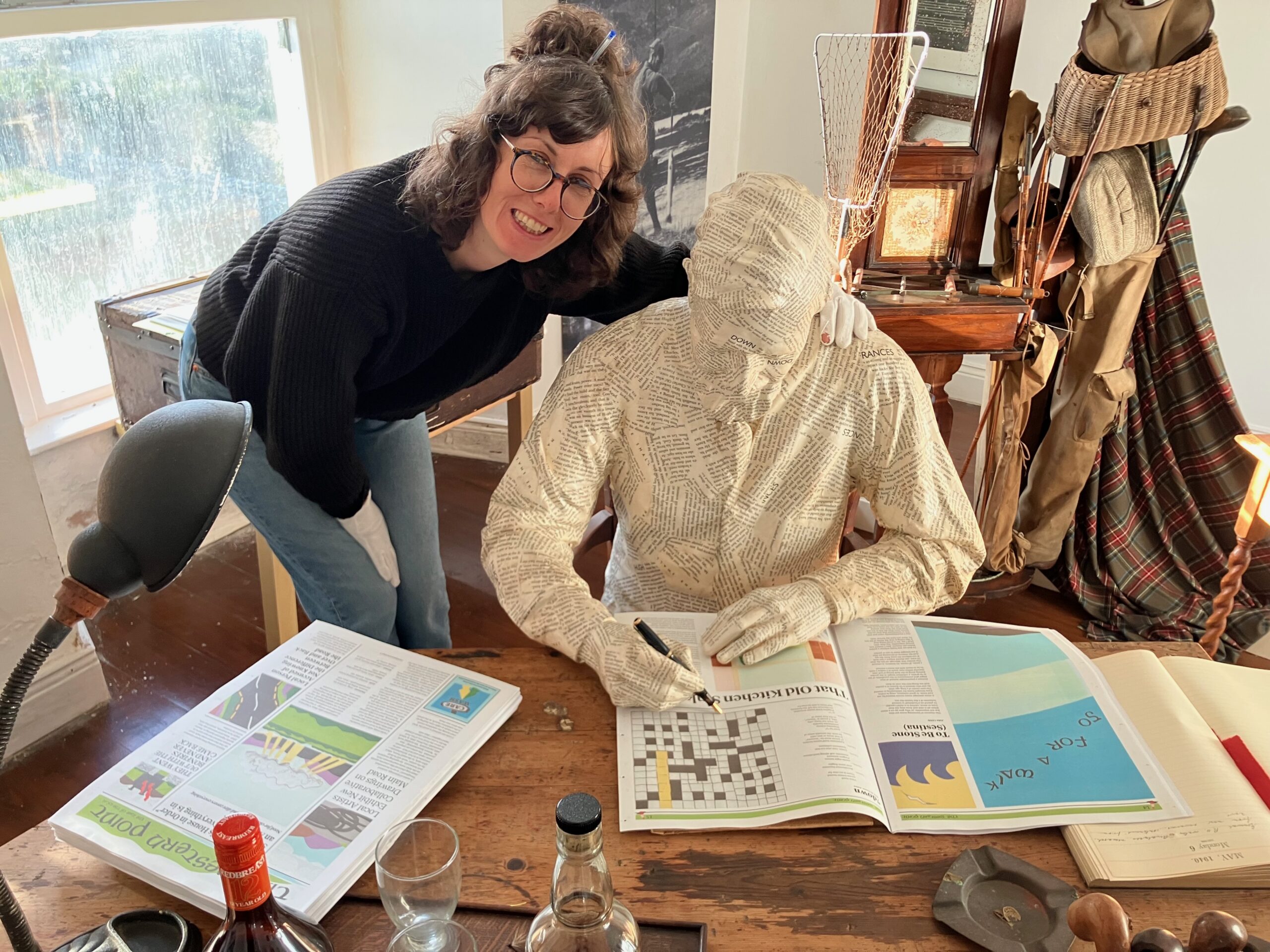
Rushes | Luachair curator Laura Fitzgerald installing her work in the Maurice Walsh exhibit at Kerry Writers’ Museum (photo: Ciarán Walsh | curator.ie)
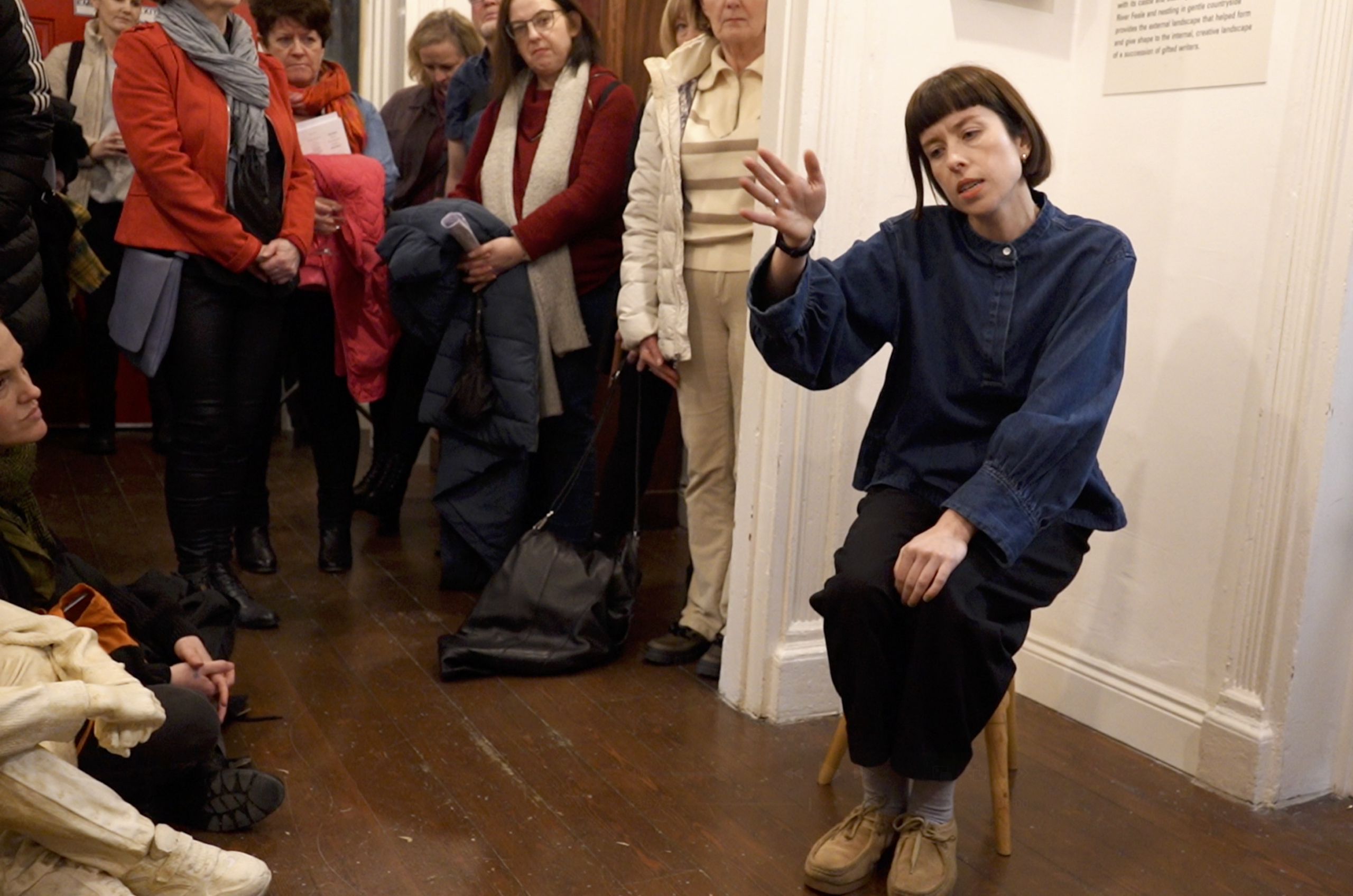
Bláithín Mac Donnell performs The Road Runs Through at the opening of Rushes | Luachair at Kerry Writers’ Museum, 30 January 2026.
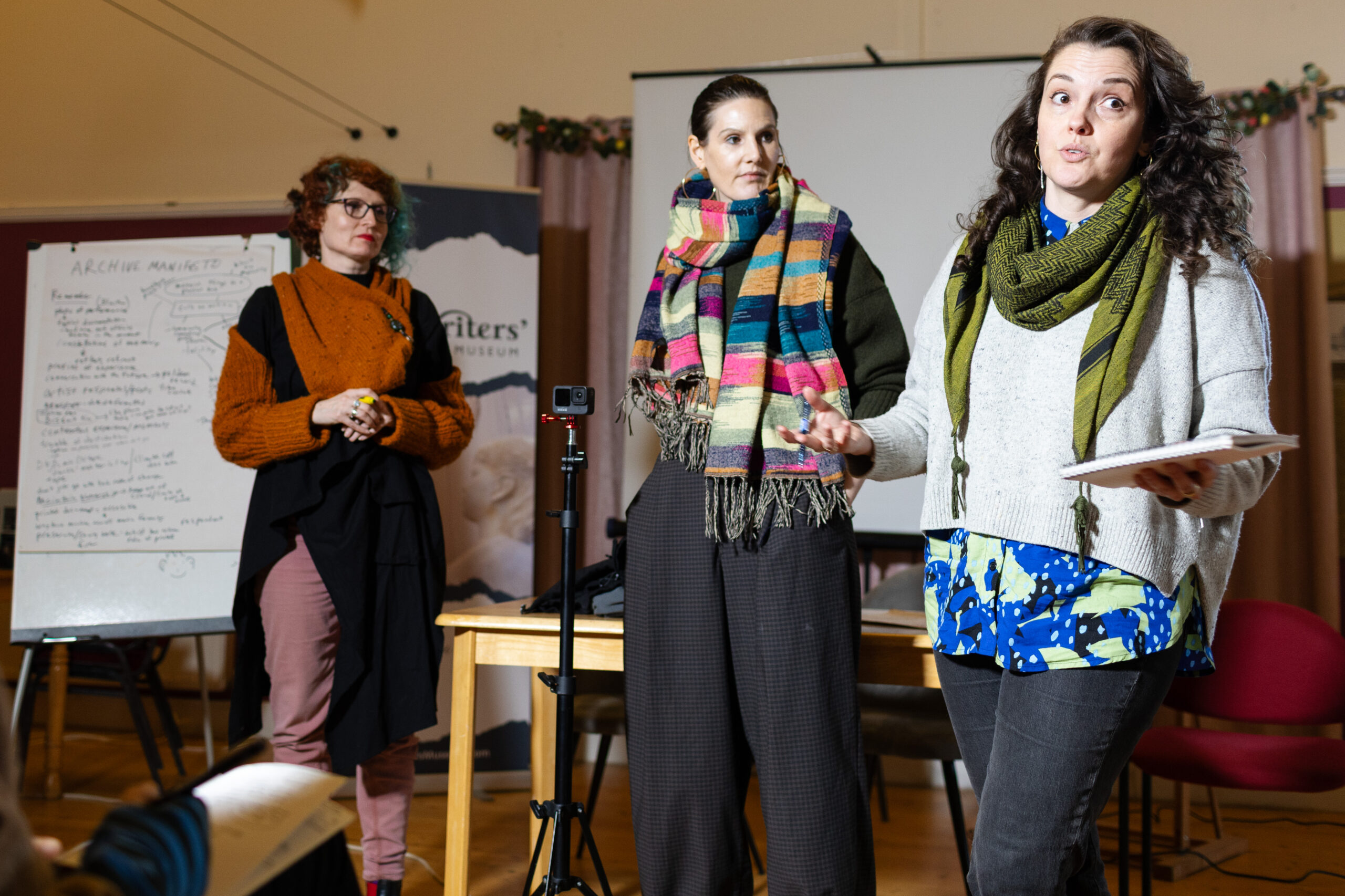
Carolann Madden (R) and Sarah Arnold at the Rushes |Luachair Workshop of woman filmmakers , Kerry Writers’ Museum , 31 January 2026
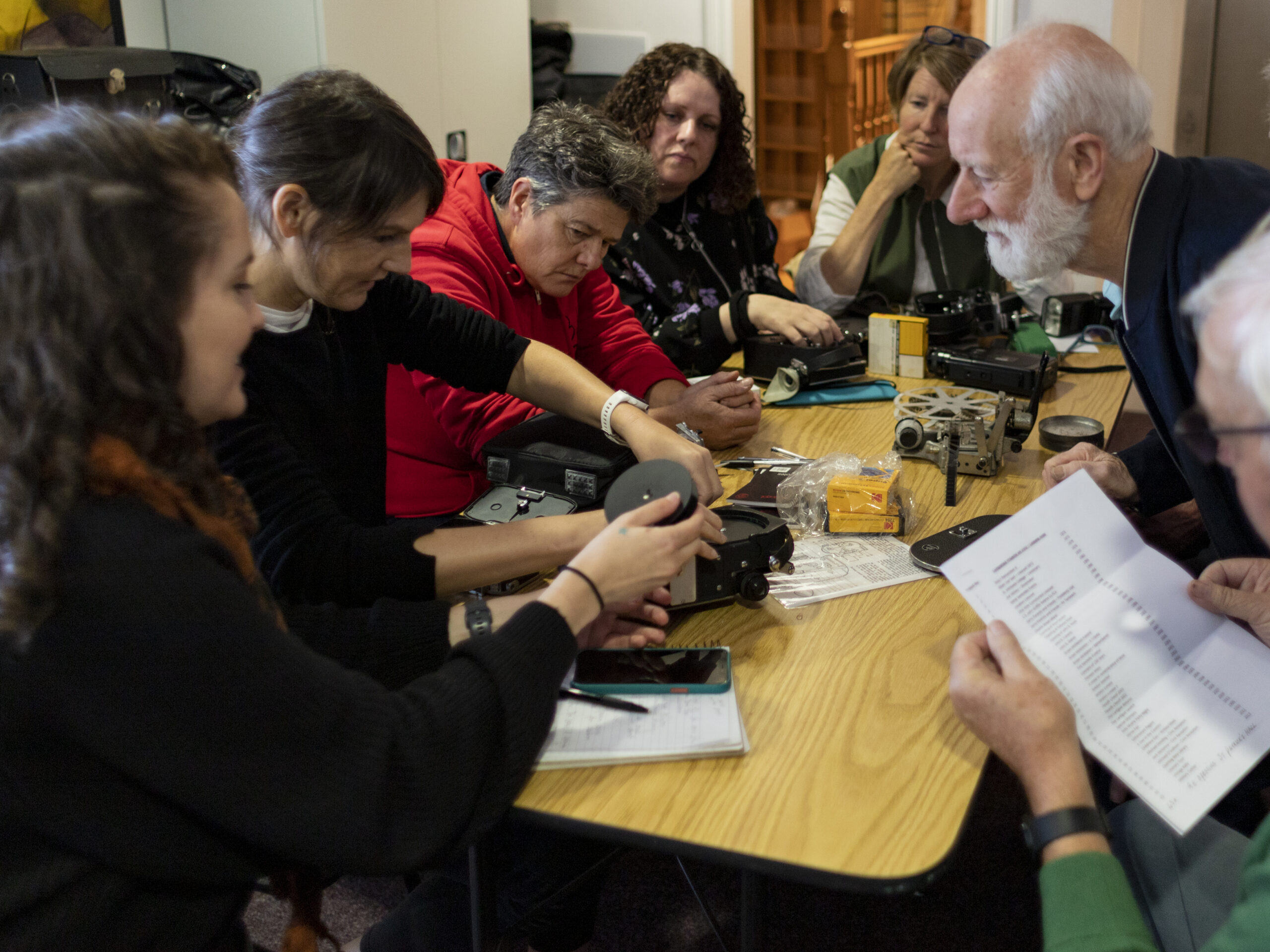
16mm workshop during Heritage Week 2024. L-R: Carolann Madden, Sarah Arnold, Rena Blake, Lorraine Neeson, Lisa Fingleton and Michael Mulcahy (© Ciarán Walsh | curator.ie).
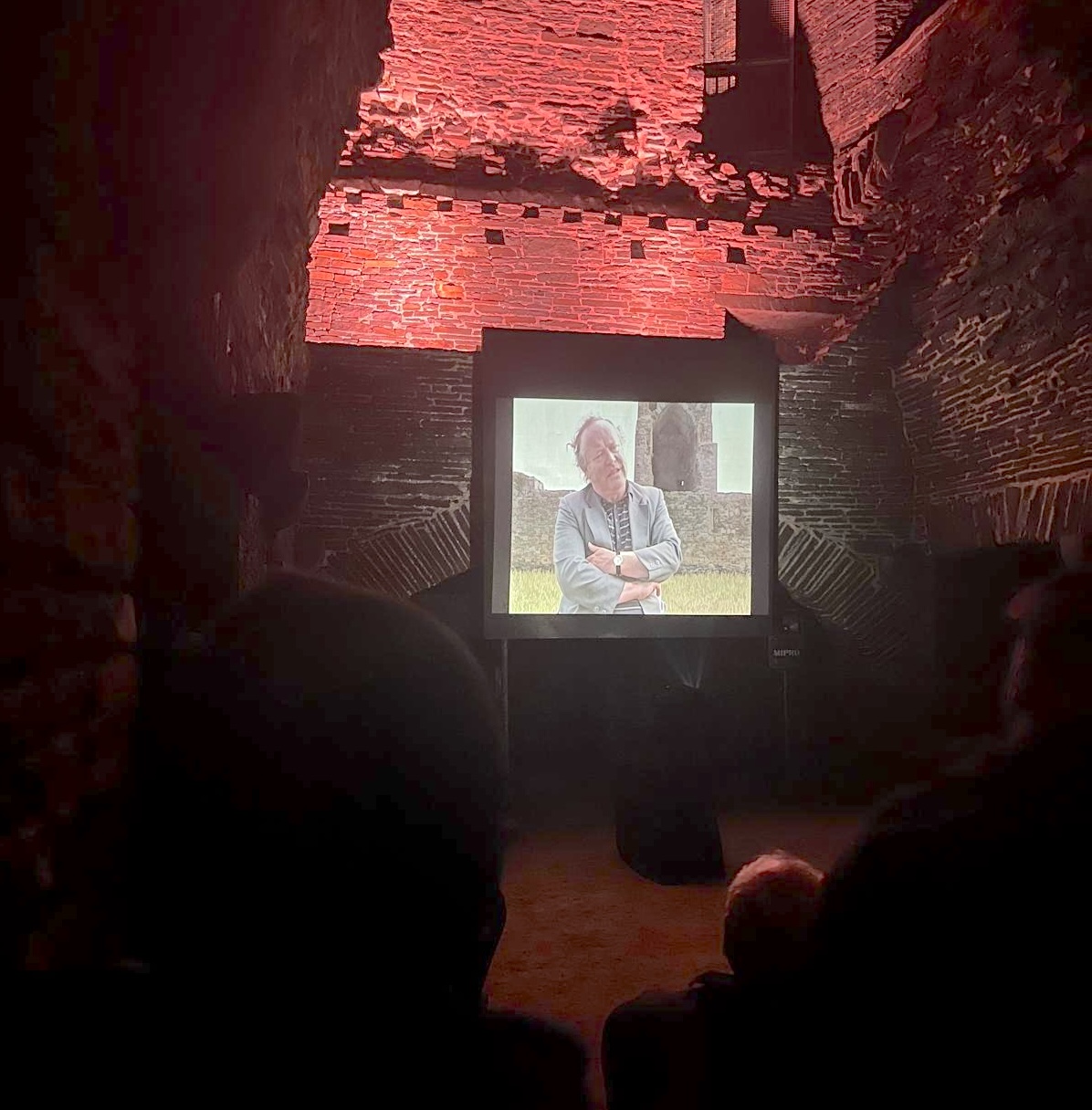
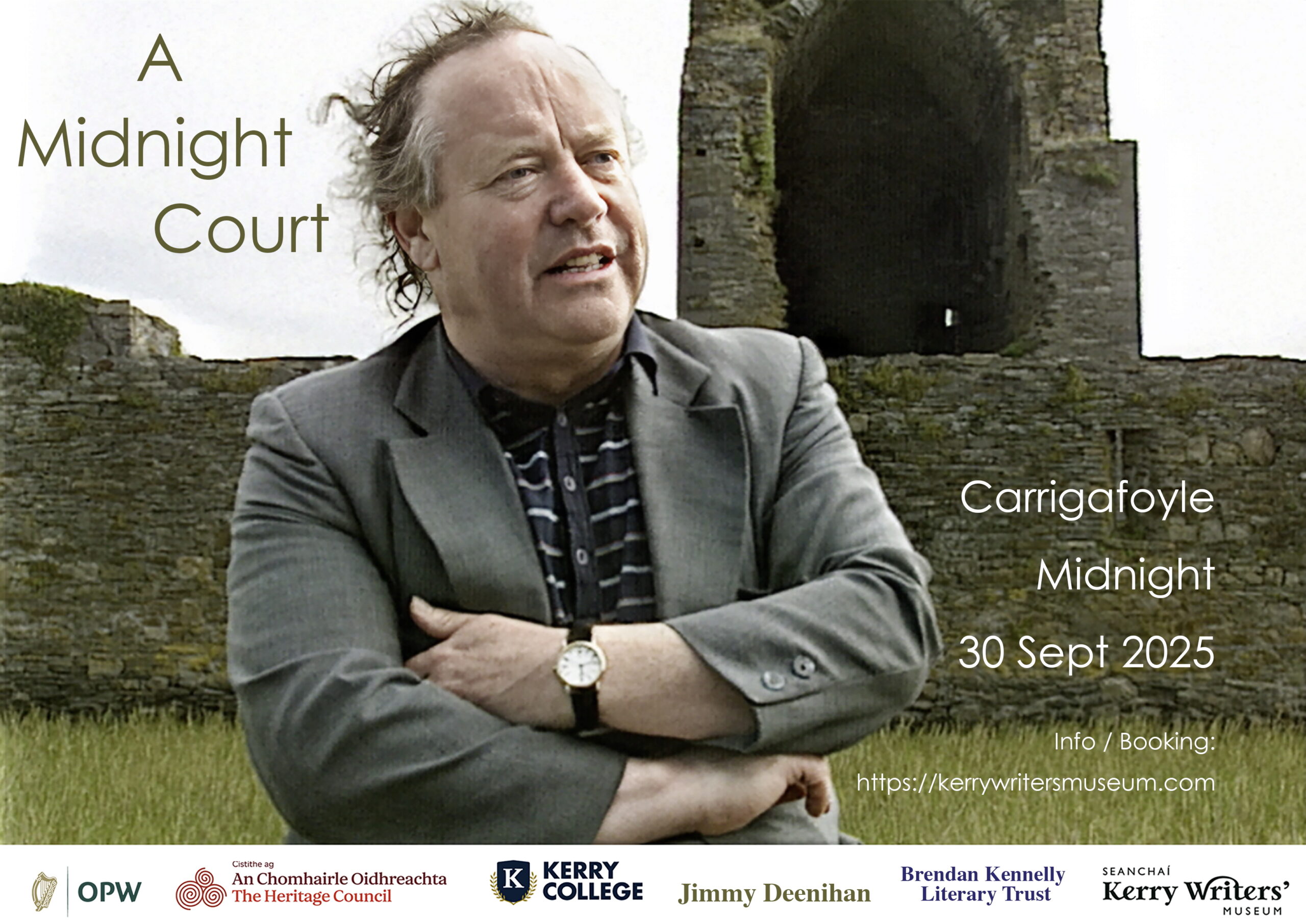
A Midnight Court: Brendan Kennelly reads his poetry at Carrigafoyle Castle on 30 September 2025.
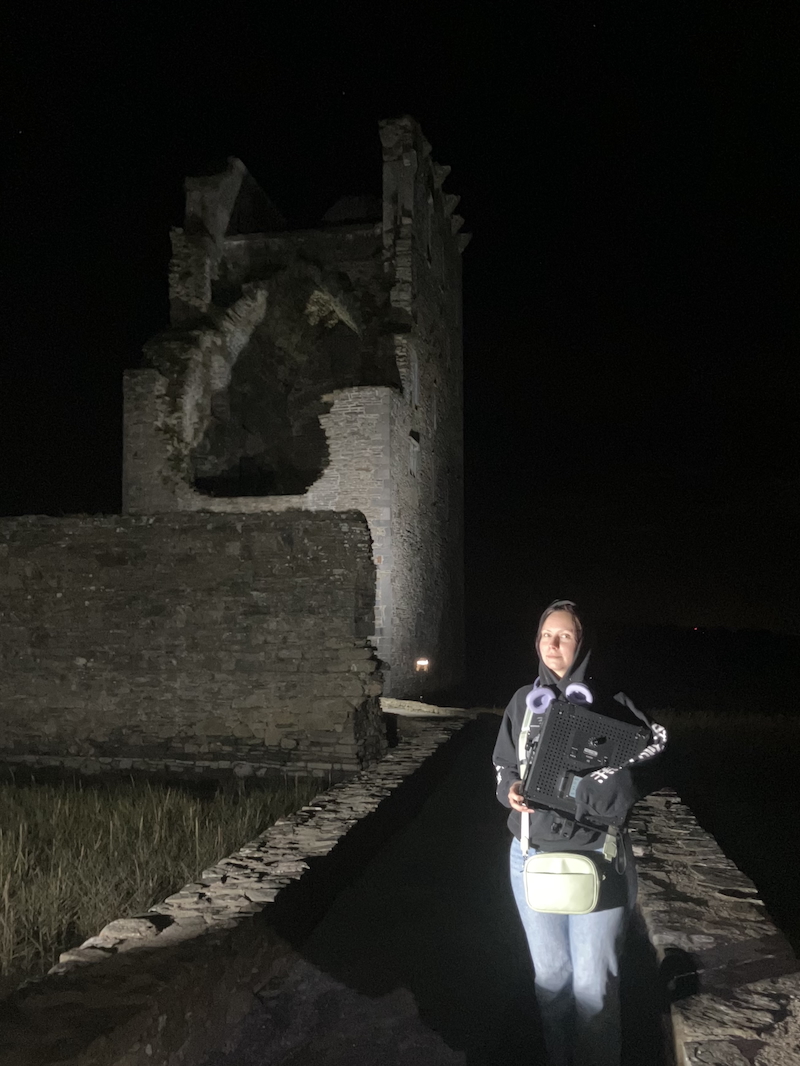
Valeriia Matiakh lights up Carrigafoyle Castle in preparation for A Midnight Court with Brendan Kennelly, September 2025 (© Ciarán Walsh | curator.ie).
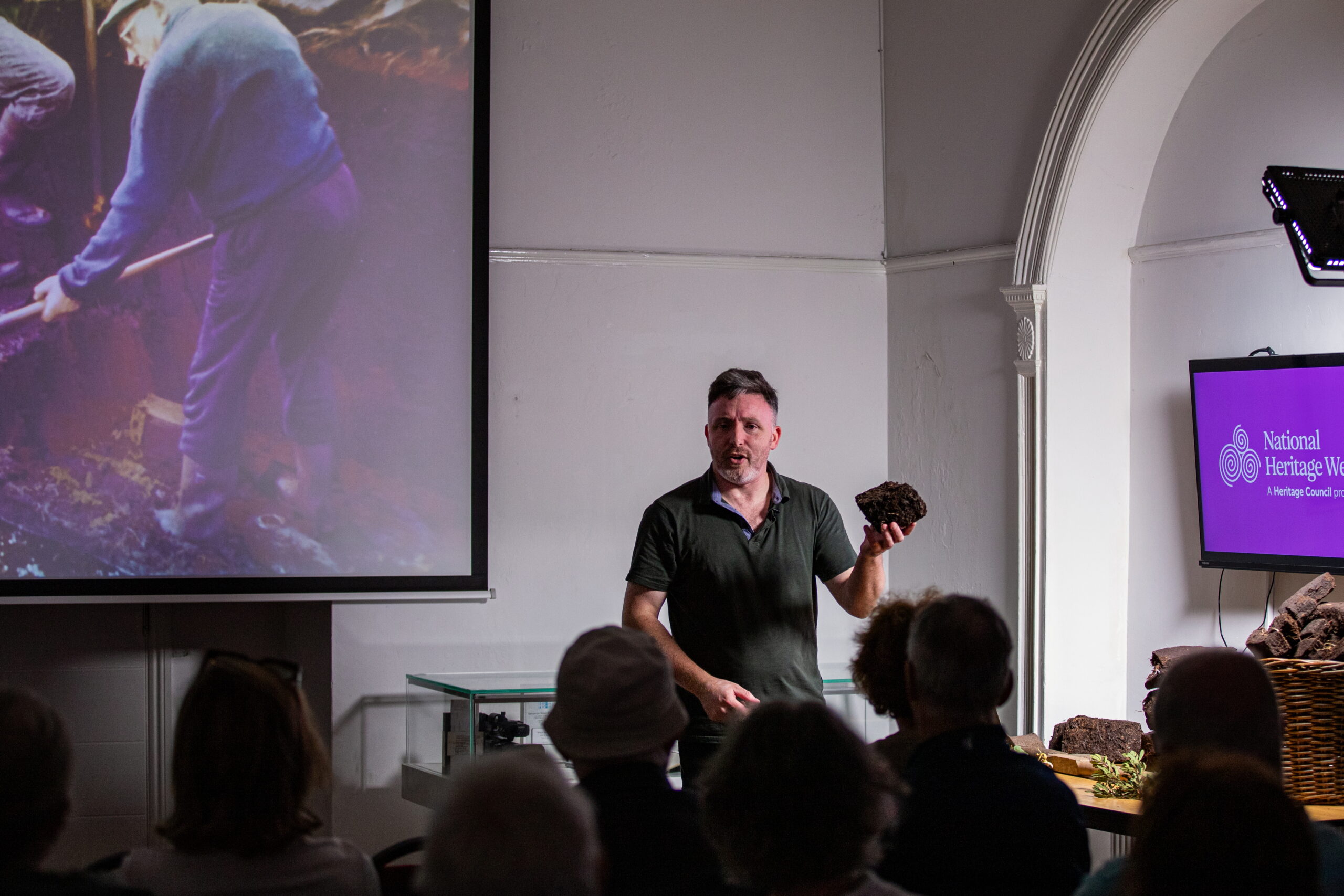
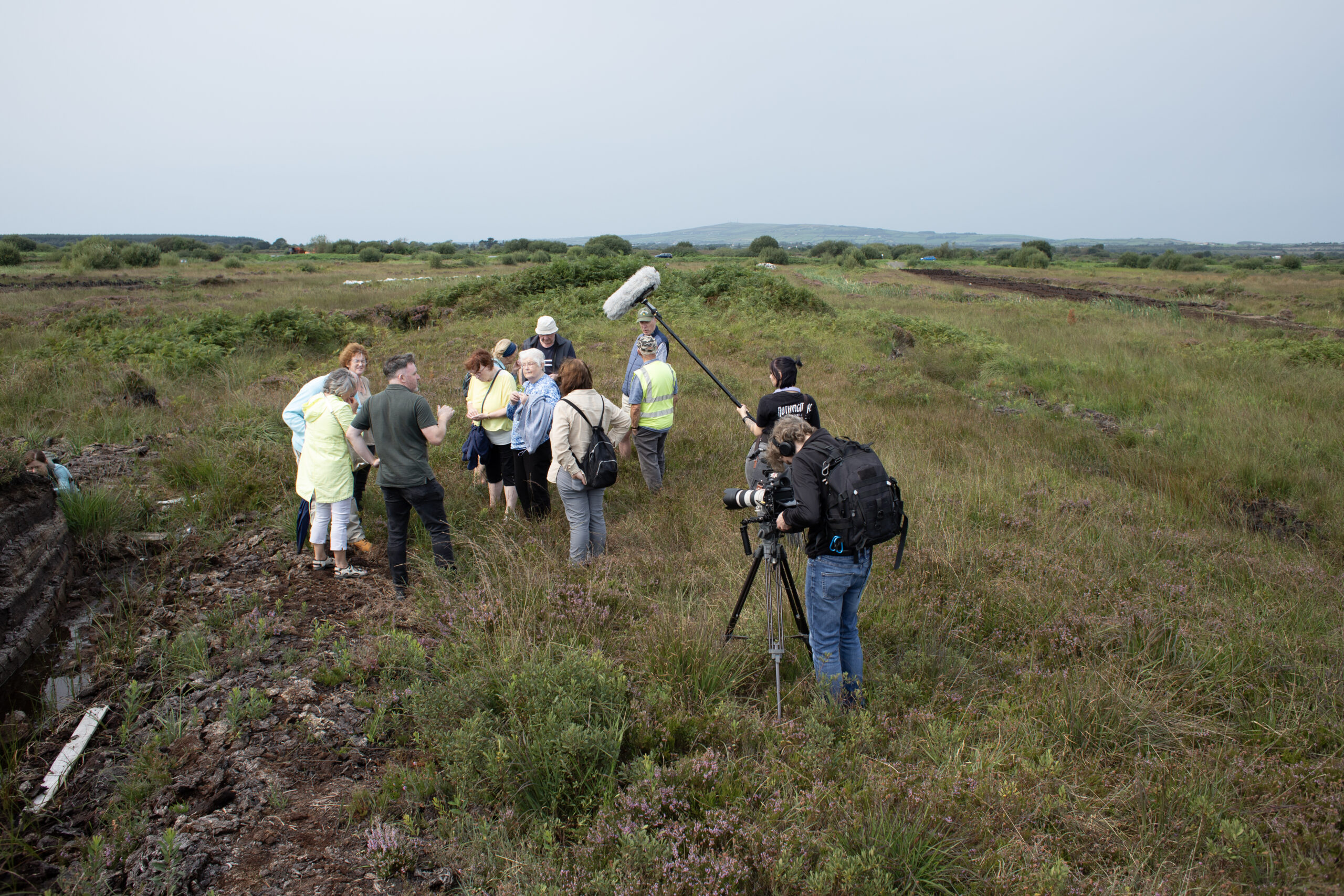
Tom Dillon leads a workshop on filmmaking in the bog during Heritage Week 2025 (© Ciarán Walsh | curator.ie).
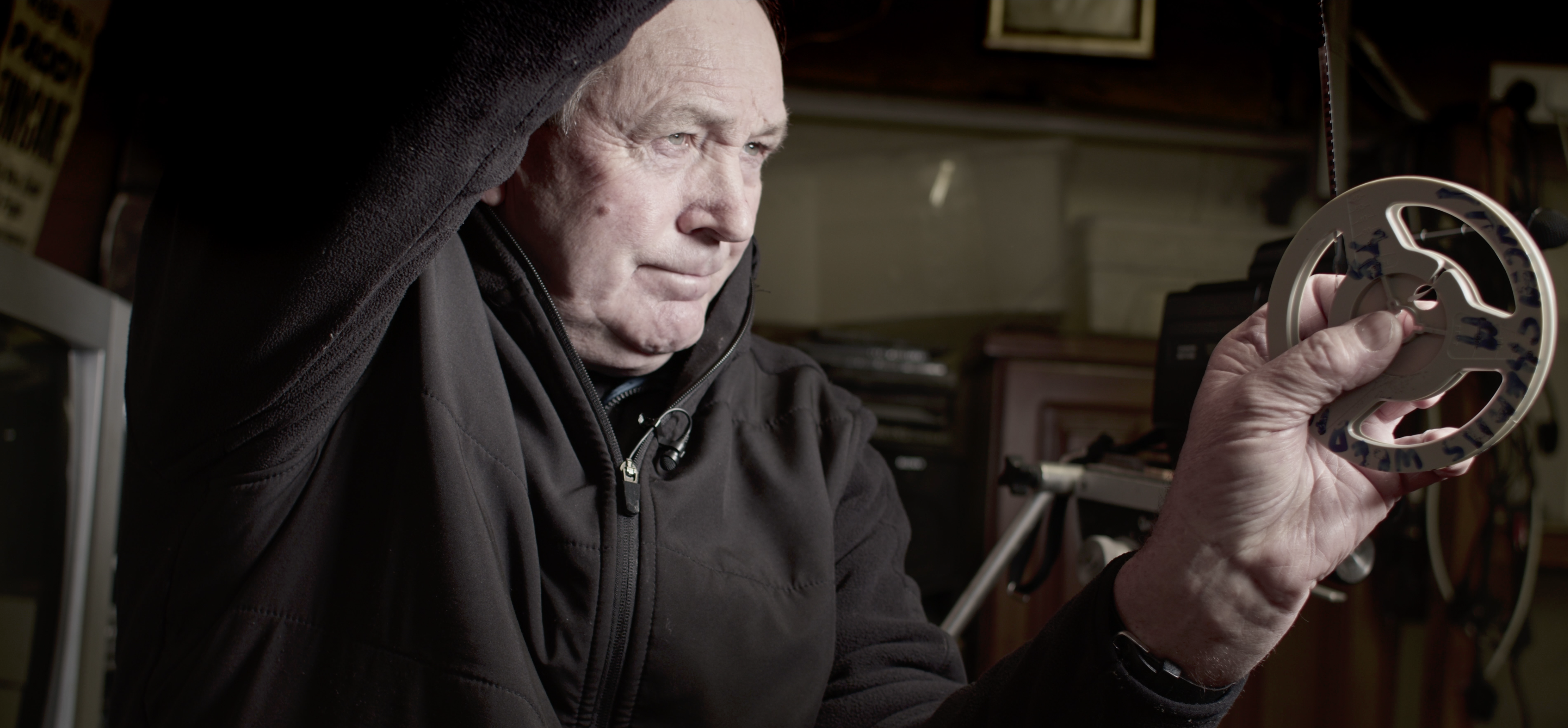
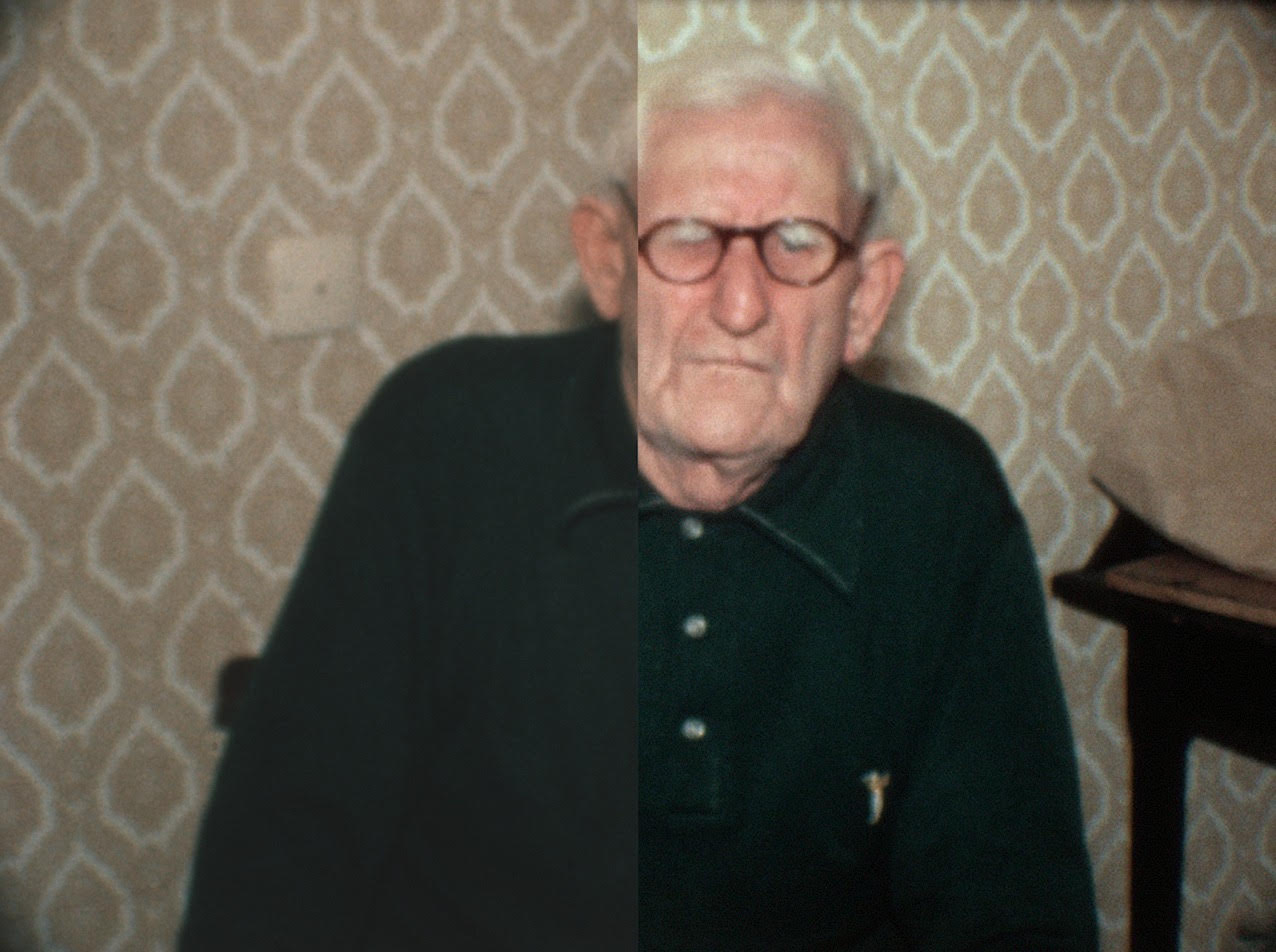
Filmmaker Leo Finucane with his “lost” film of an interview with Donal Bill Sullivan (below), who rescued Con Dee after a roadside execution of three IRA volunteers at Gortaglanna in Kerry
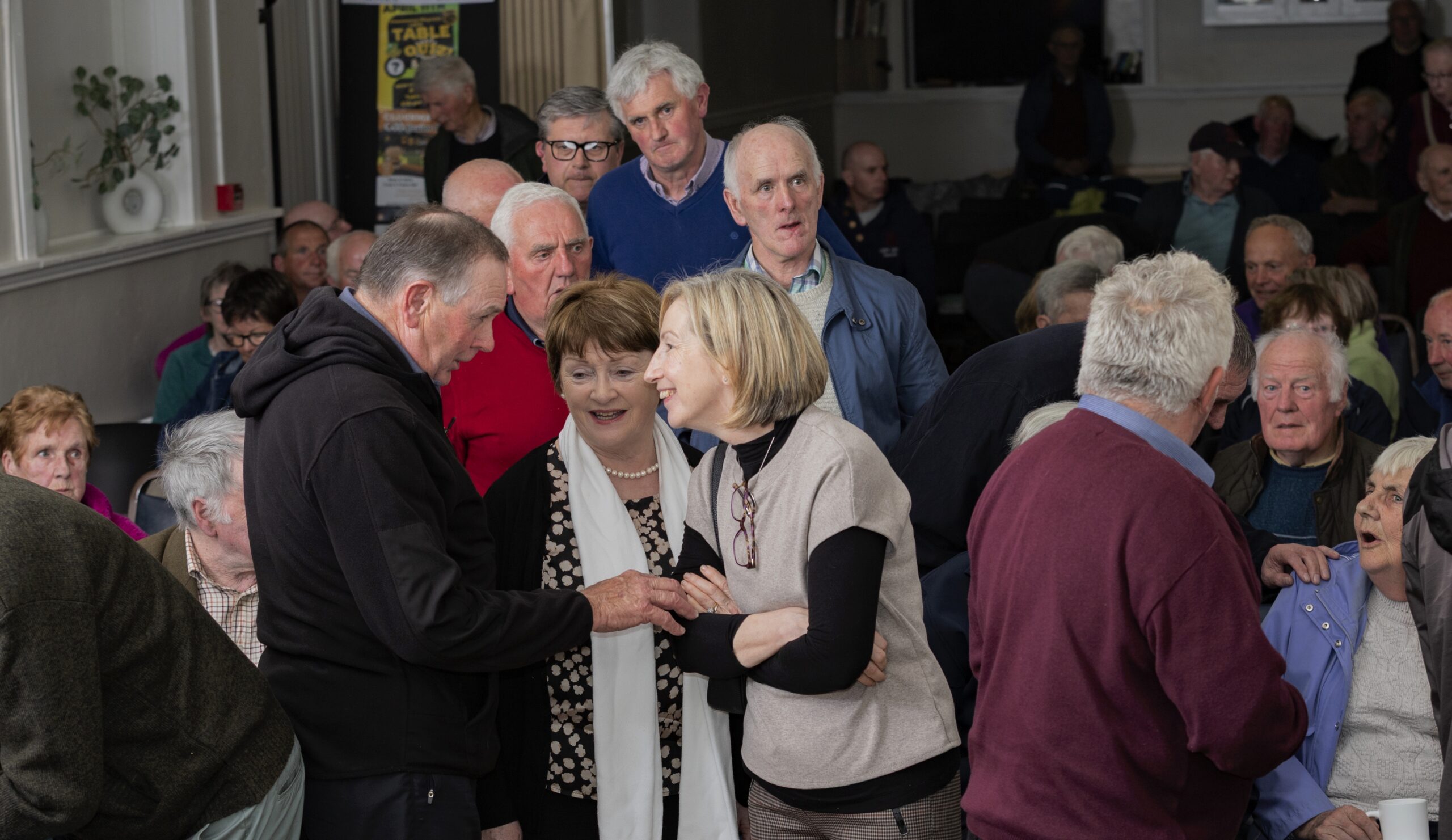
Leo Finucane at a community cinema screening at Clounmacon Community Centr (© Ciarán Walsh | curator.ie).
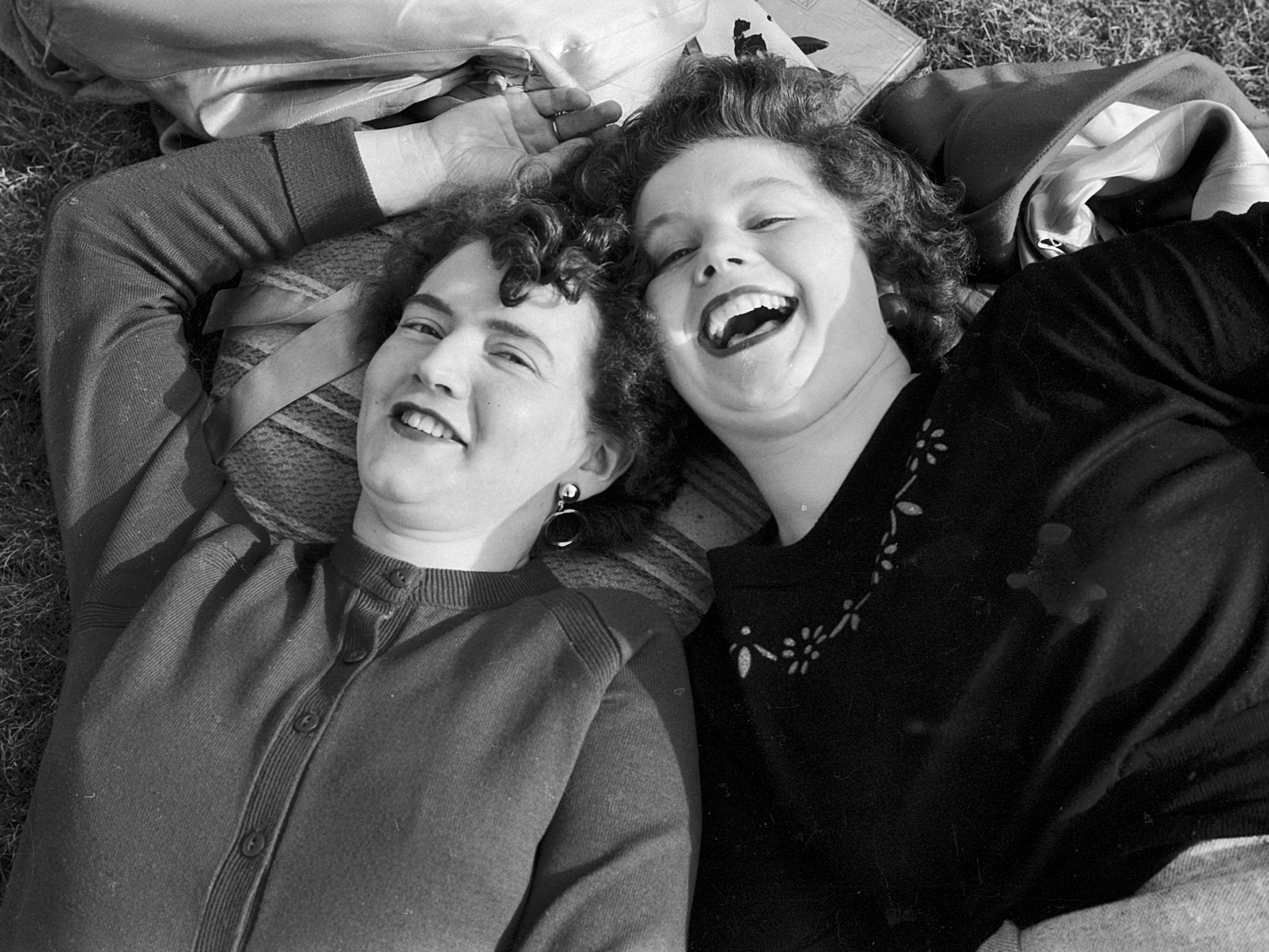
Tony Fitzmaurice, circa 1960, Untitled, 35mm Kodak Safety black and white negative scanned by Kathy and Steve Reynolds.
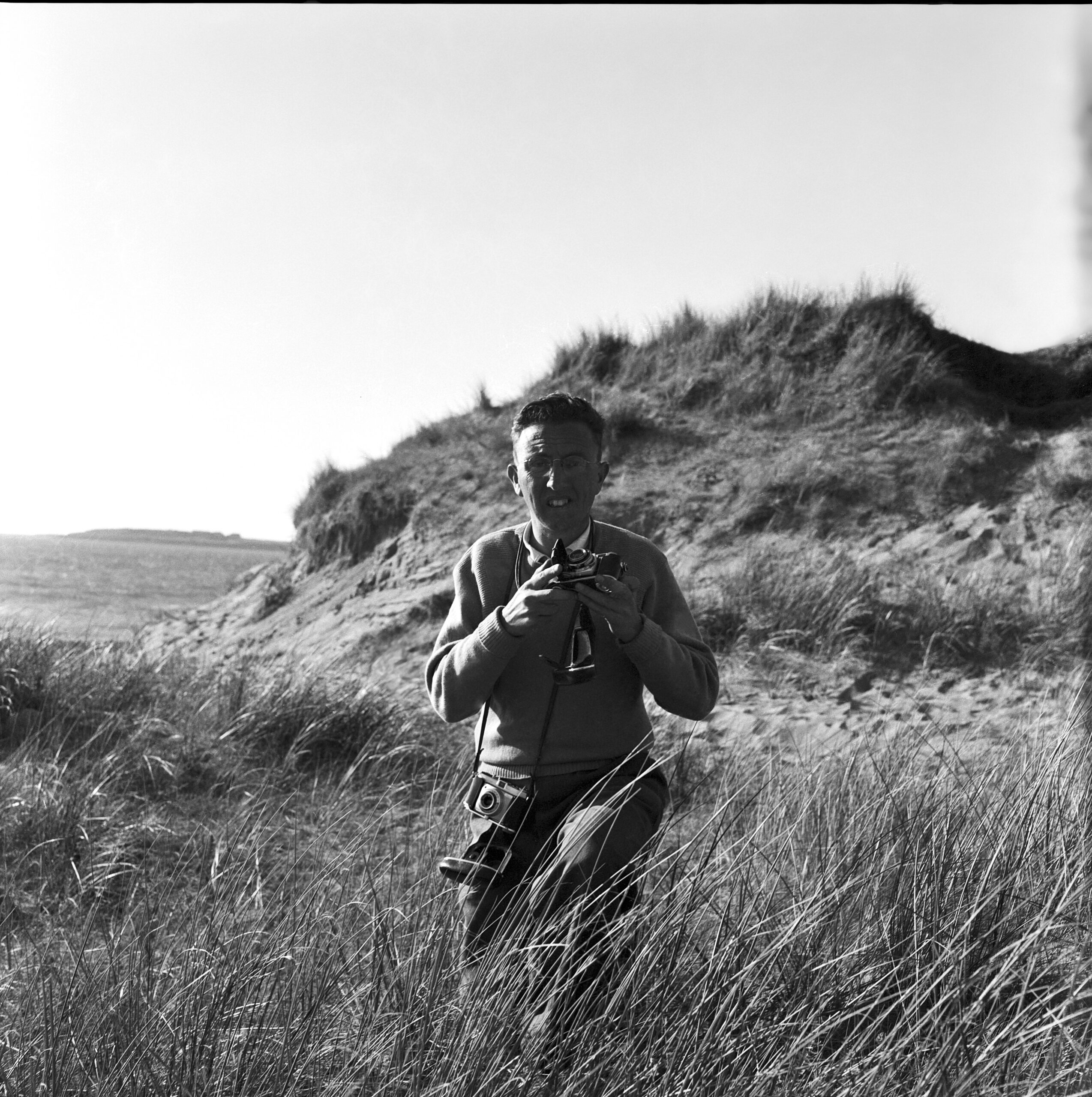
Anon. c 1960. Tony Fitzmaurice

16 July 2023: Tuuli Rantala and Marie Coyne carry ancestral remains to their resting place on Inishbofin after TCD gave in to a long campaign to have the remains returned for burial.
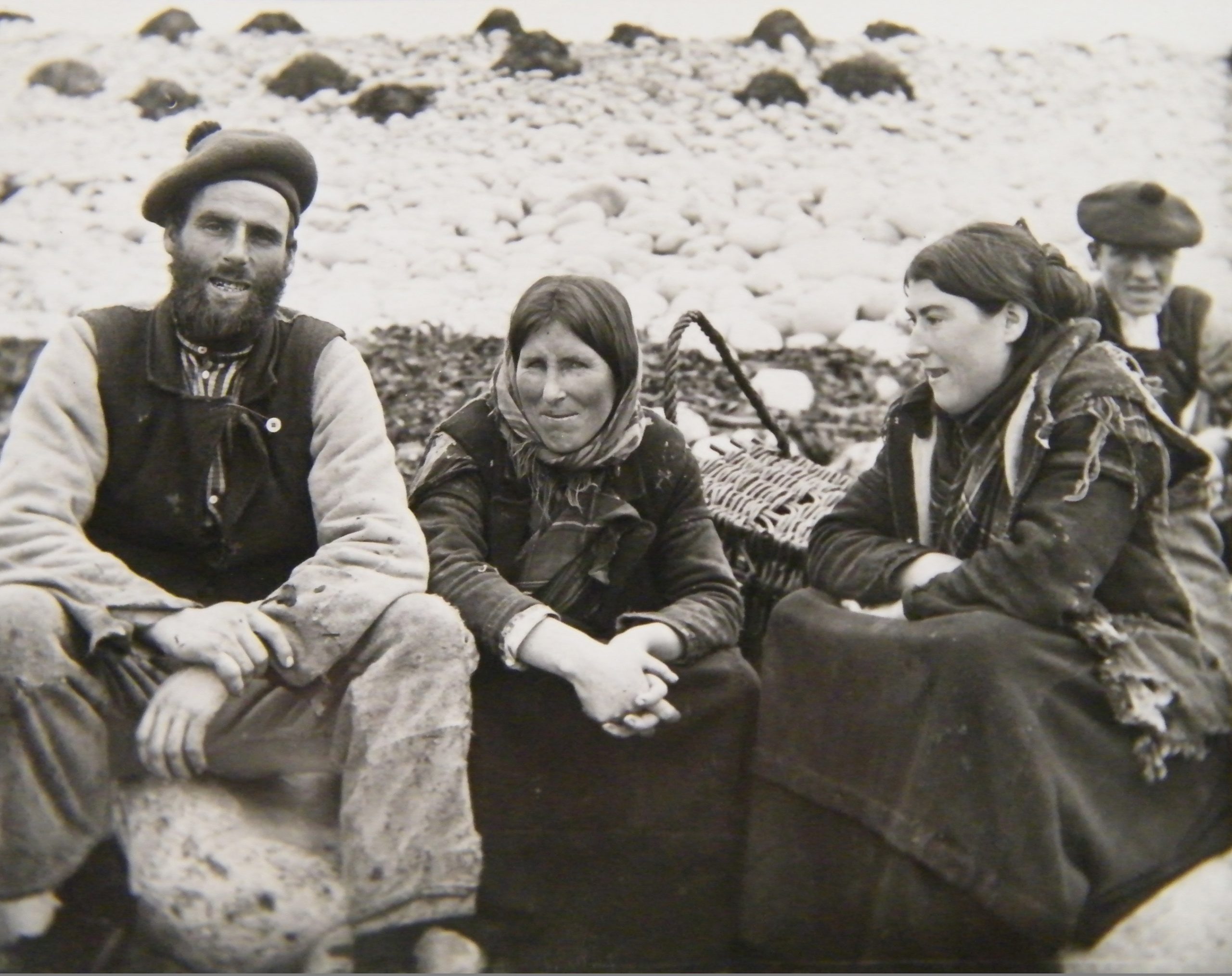
A. C. Haddon. 1892. Michael Faherty and two women of Inishmaan (Courtesy of the Board, Trinity College, University of Dublin)..

John Browne. 1893. Anthropometry in Inishbofin. Digital scan of albumen print.