innovate | engage | excite


I set up curator.ie in 2010 as a vehicle for innovative curatorial projects with a strong public engagement component and collaborative ethos. I specialise in bringing long-forgotten or overlooked photographic archives and collections into the public domain, usually through exhibitions curated in partnership with arts and heritage organisations. Along the way I have curated several landmark projects in terms of the history of social documentary photography in Ireland.

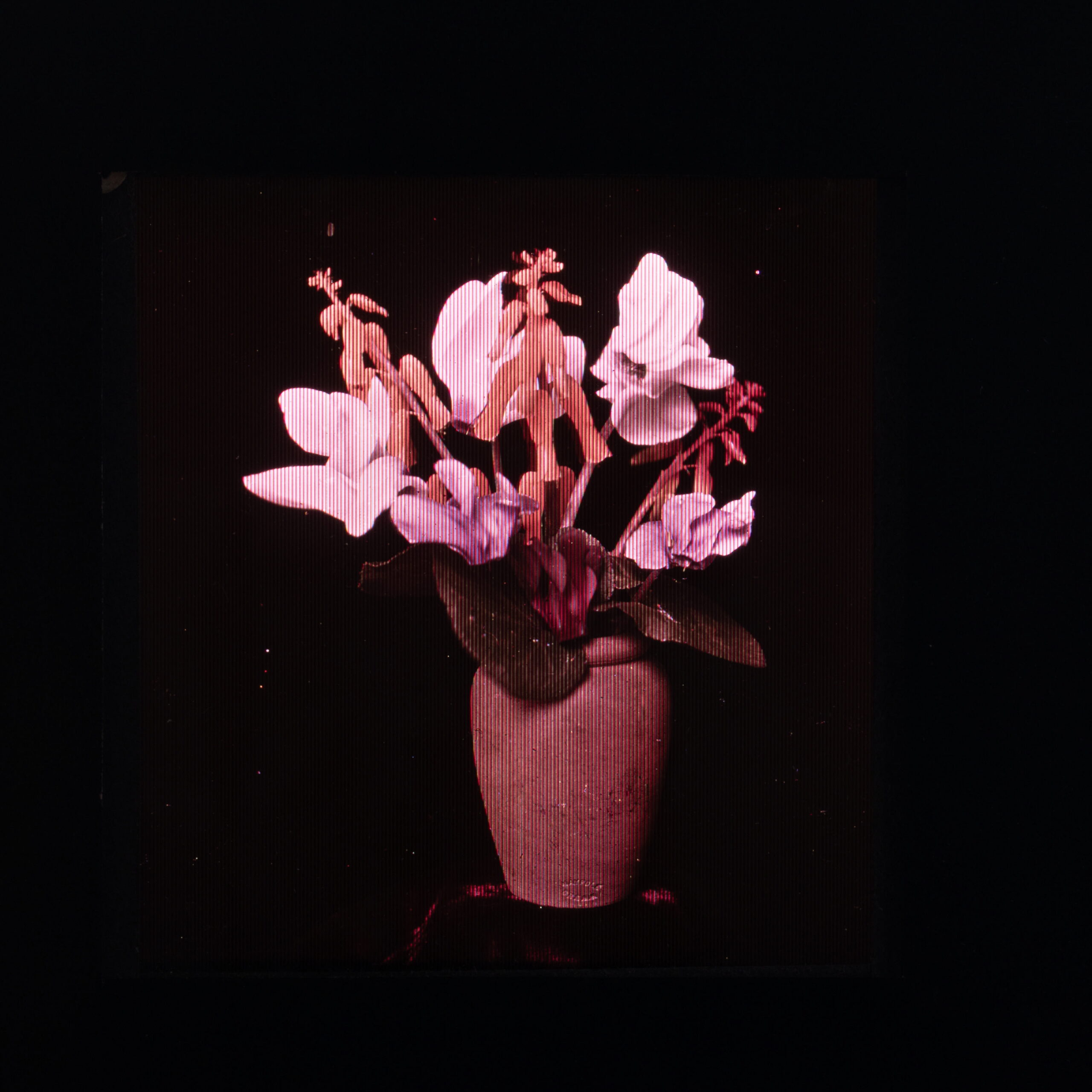
Ciarán Walsh and Patrick Cunningham digitised this photograph from Adrian Dixon's collection of John Joly material. The slide dates from around 1896 and is intended to demonstrate a viewing system for Joly's colour system. This involved placing a screen over an unexposed glass plate negative, exposing the negative, making a positive copy and placing a viewing screen over it. The screen was had very fine lines of coloured ink approximating to red, green and blue. These filtered the colour showing through the positive image and it registered as a colour photograph. The lines are visible in the finished photograph. The original is 3¼ × 5½in / 83 × 140mm

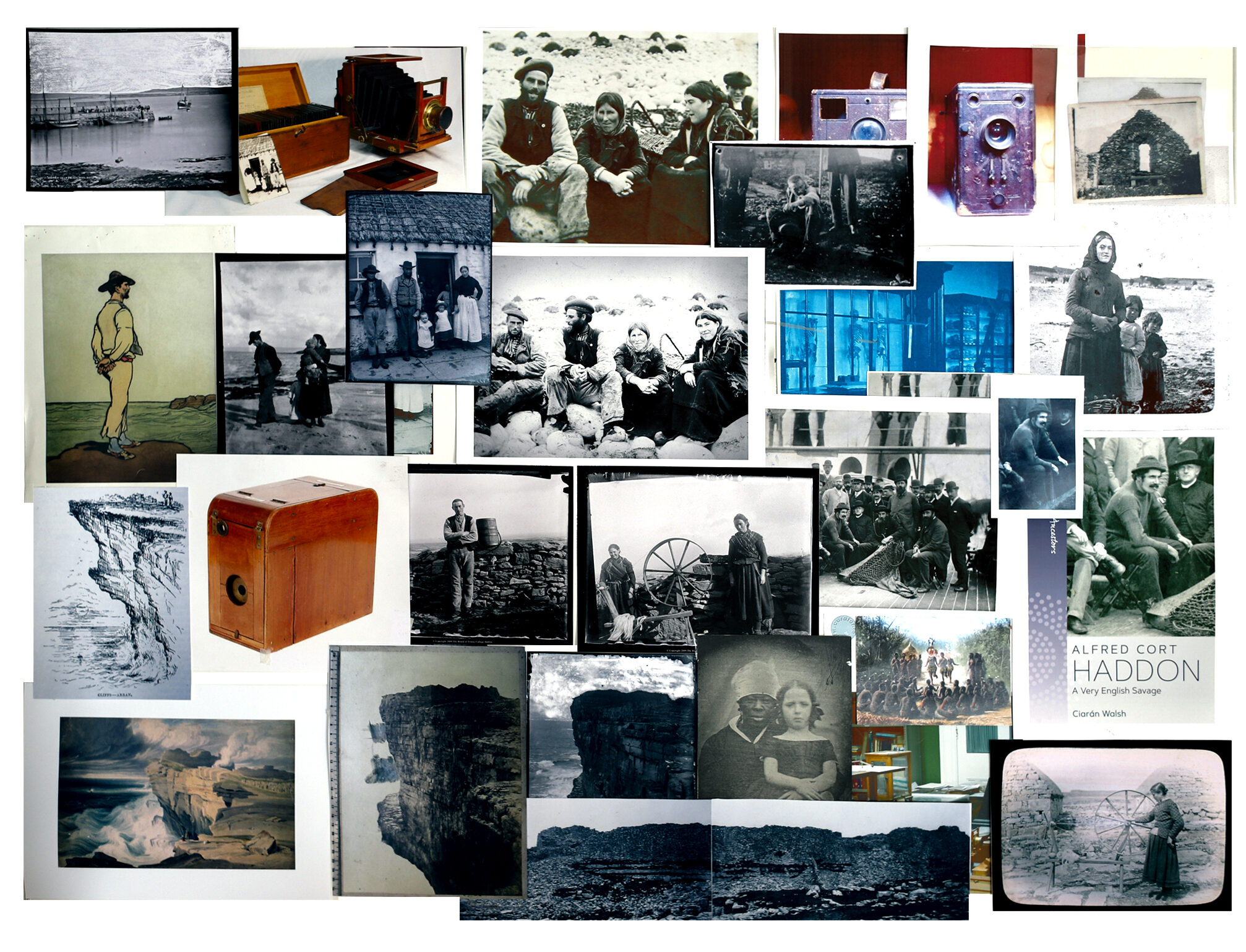
All is connected: placing Haddon and Synge at the centre of a long experiment in photography in Aran Islands (© Ciarán Walsh | curator.ie)


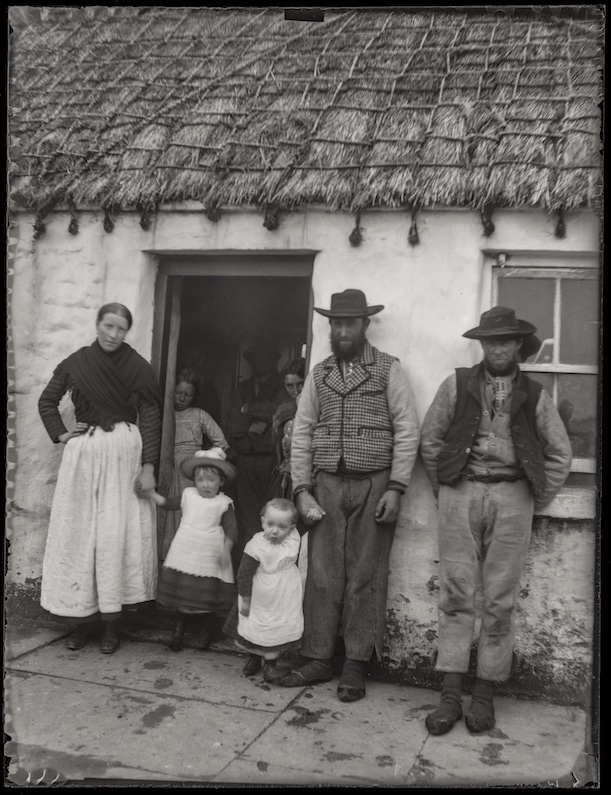
These include groundbreaking projects on the photography of John Millington Synge (1871-1909), the “Irish Headhunter” Charles R. Browne (1867-1931), and pioneering photo-ethnographer Alfred Cort Haddon (1855-1940), whose 1890 photographic partnership with Andrew Francis Dixon (1868-1936) was at the centre of a ten-year project that turned the conjoined histories of photography and anthropology on its head. In 2025, a conversation with Dixon’s grandnephew Adrian Dixon opened a new line of research that focusses on three unexamined aspects of ethnographic photography in Ireland.

The first is the quest for colour in ethnographic photography, especially Haddon’s experiment with a colour system that John Joly (1857-1933) developed in the 1890s. The second is a photographic network that connected Joly, Dixon, Synge and Haddon. This connects directly to the third strand, the groundbreaking finding that ethnographic photography was a resource for art that is associated with literary and cultural revivals. A research workshop convened in December 2025 and a consortium of  archivists, curators, collectors, scholars and artists is undertaking a long overdue review of the photographic work of Joly and his networks.

Ciarán Walsh and Patrick Cunningham digitised this photograph from Adrian Dixon's collection of John Joly material. The slide dates from around 1896 and is intended to demonstrate a viewing system for Joly's colour system. This involved placing a screen over an unexposed glass plate negative, exposing the negative, making a positive copy and placing a viewing screen over it. The screen was had very fine lines of coloured ink approximating to red, green and blue. These filtered the colour showing through the positive image and it registered as a colour photograph. The lines are visible in the finished photograph. The original is 3¼ × 5½in / 83 × 140mm

John Joly, c1896, Vase with Flowers (© Adrian Dixon Collection).

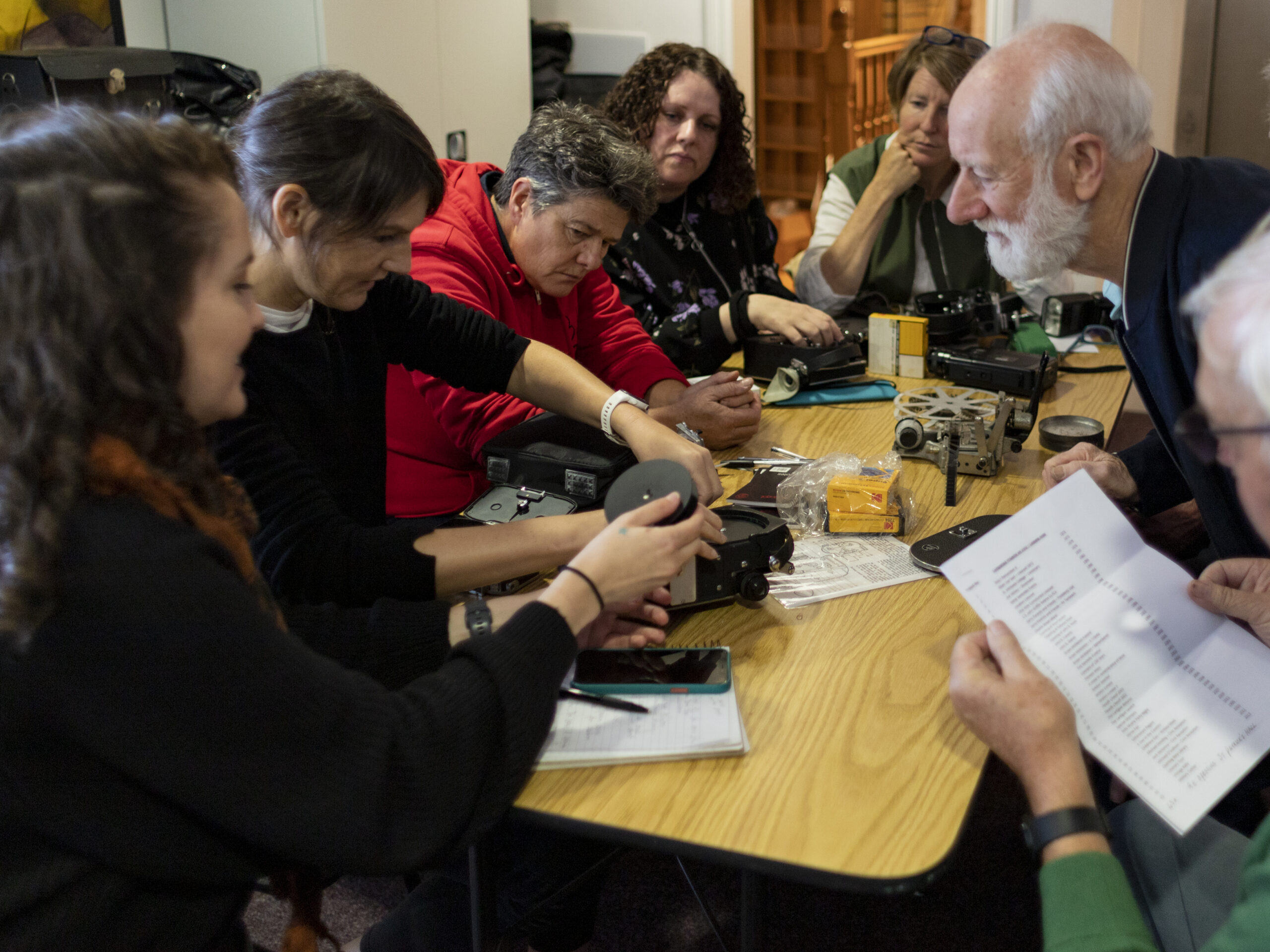
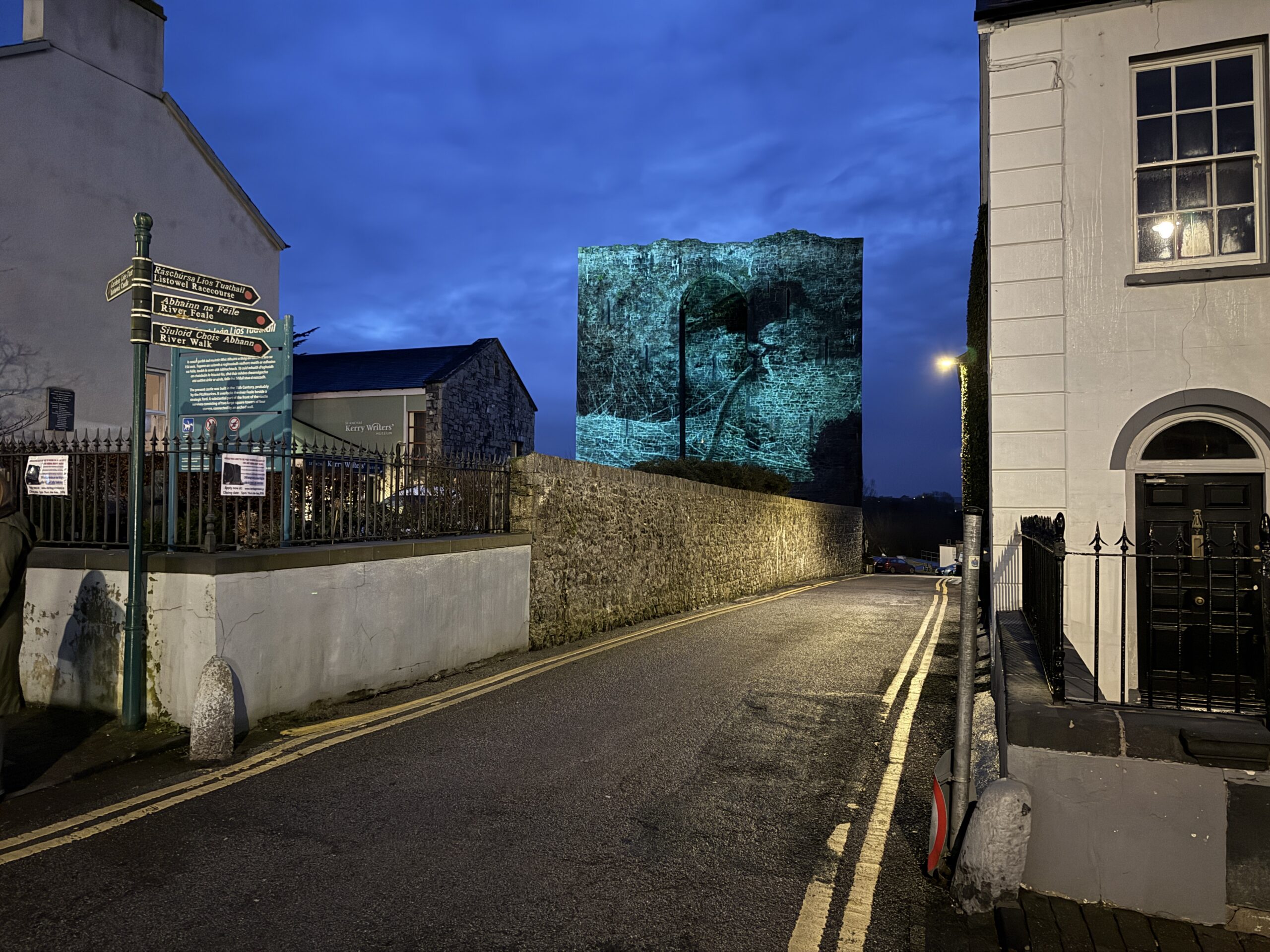
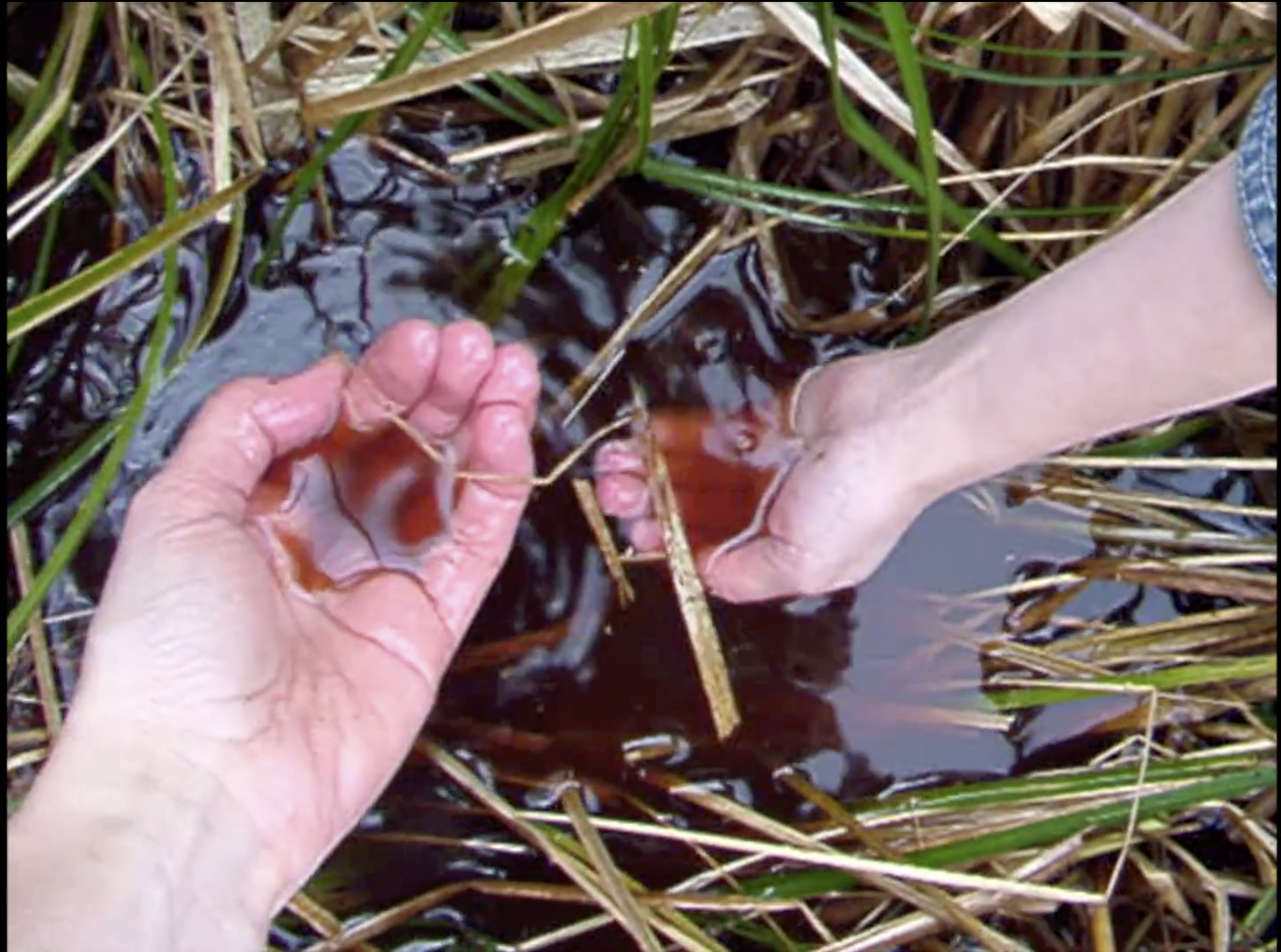
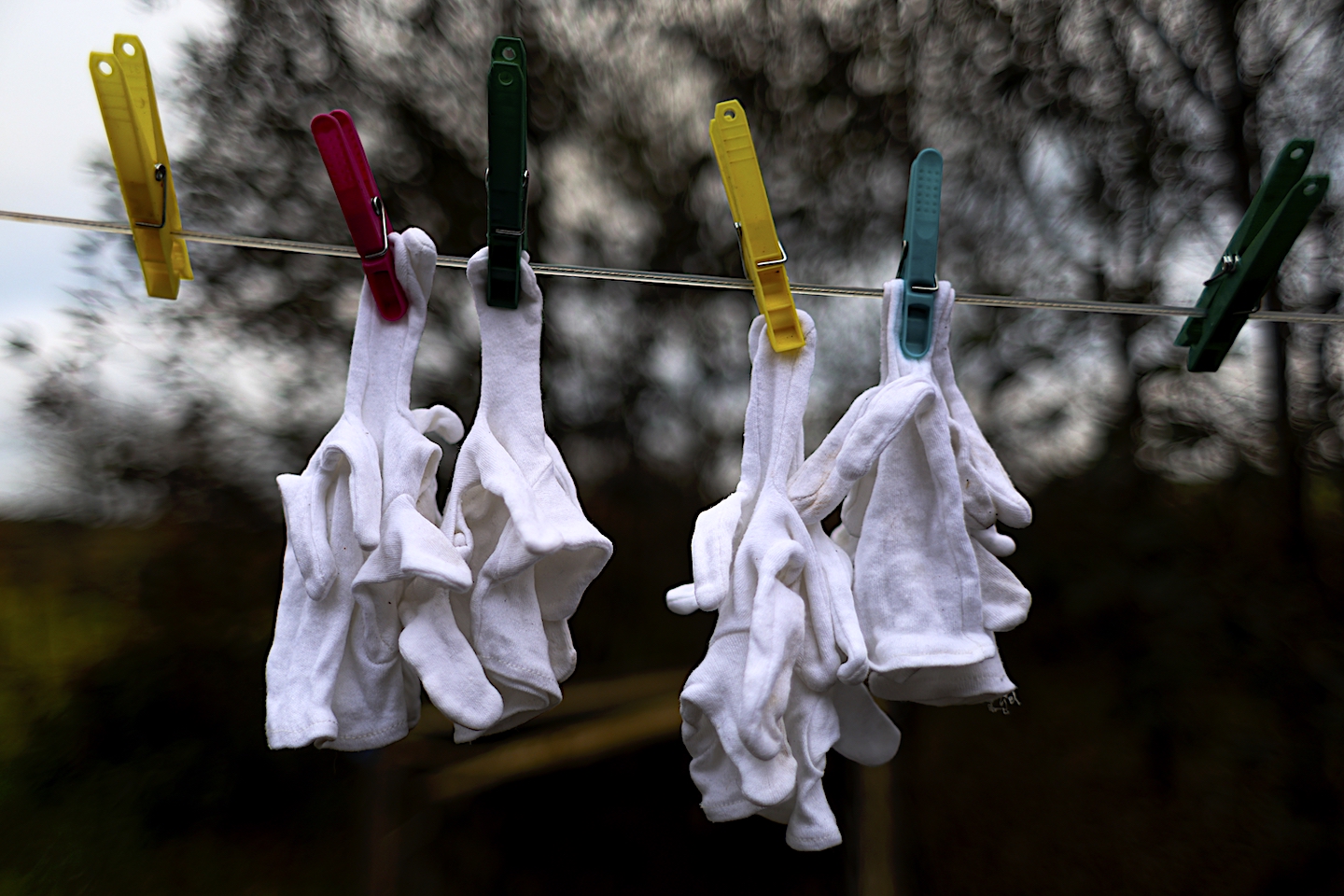
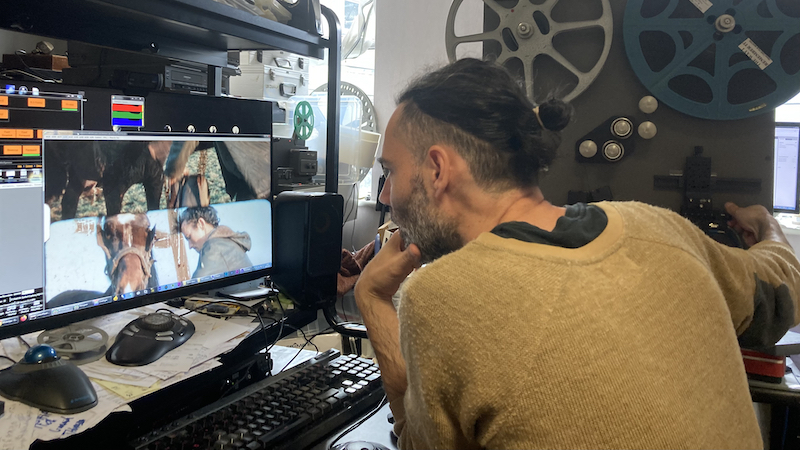
The Joly project follows an intriguing exhibition by five women artists based in Kerry. Curated by Laura Fitzgerald, the Rushes | Luachair project features new work by Fitzgerald, Lisa Fingleton, Bláithín Mac Donnell, Lorraine Nesson and Mieke Vanmechelen. The exhibition is part of a wider exploration of the visibility of women in film and video archives that Sarah Arnold and Carolann Madden developed at Maynooth University, which we integrated this with a two-year R&D project on film and video archives at Kerry Writer’s Museum. This started out in 2023 with a showcase of work of veteran community filmmakers in North Kerry and expanded into a two-year archive project funded by the Heritage Council.

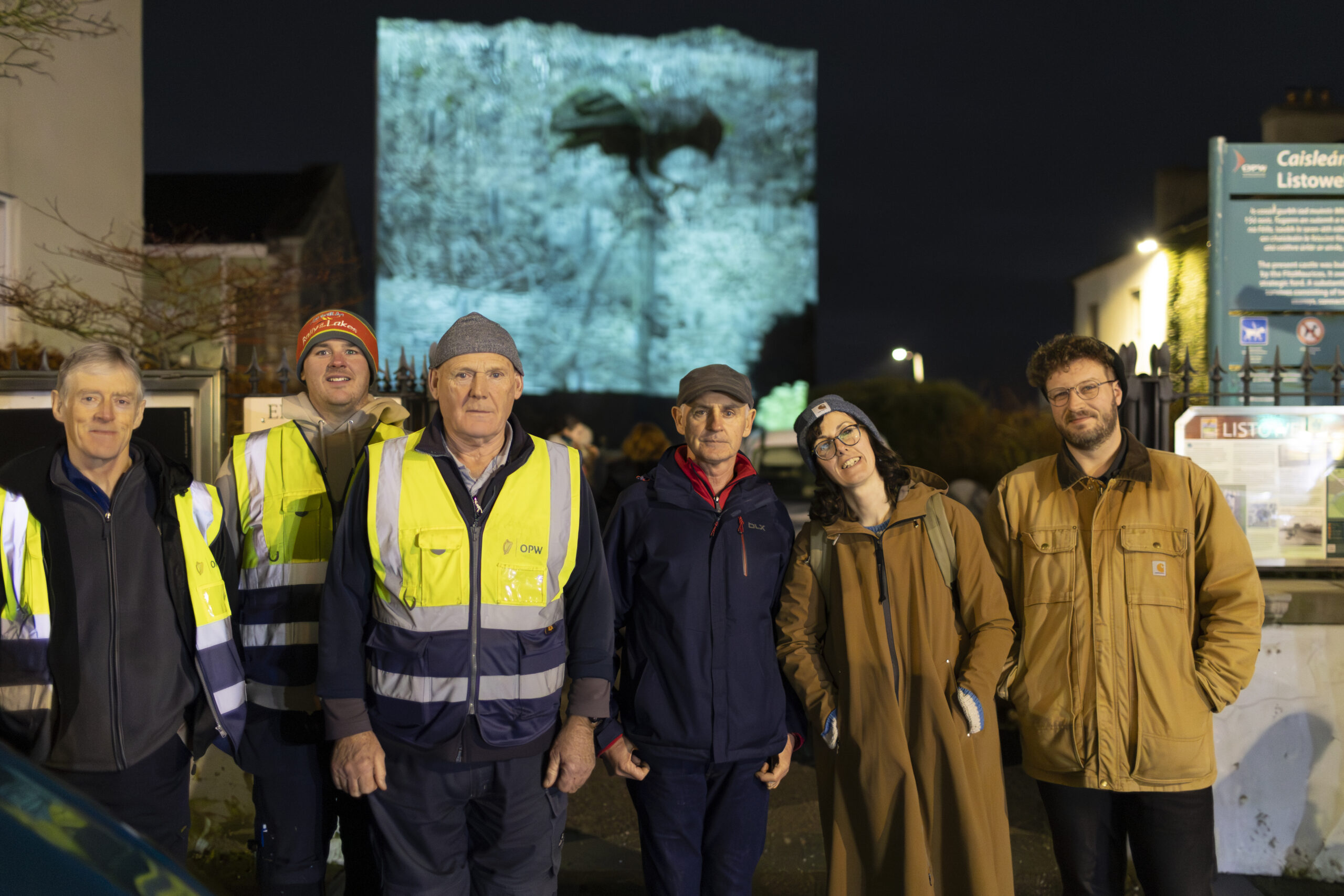
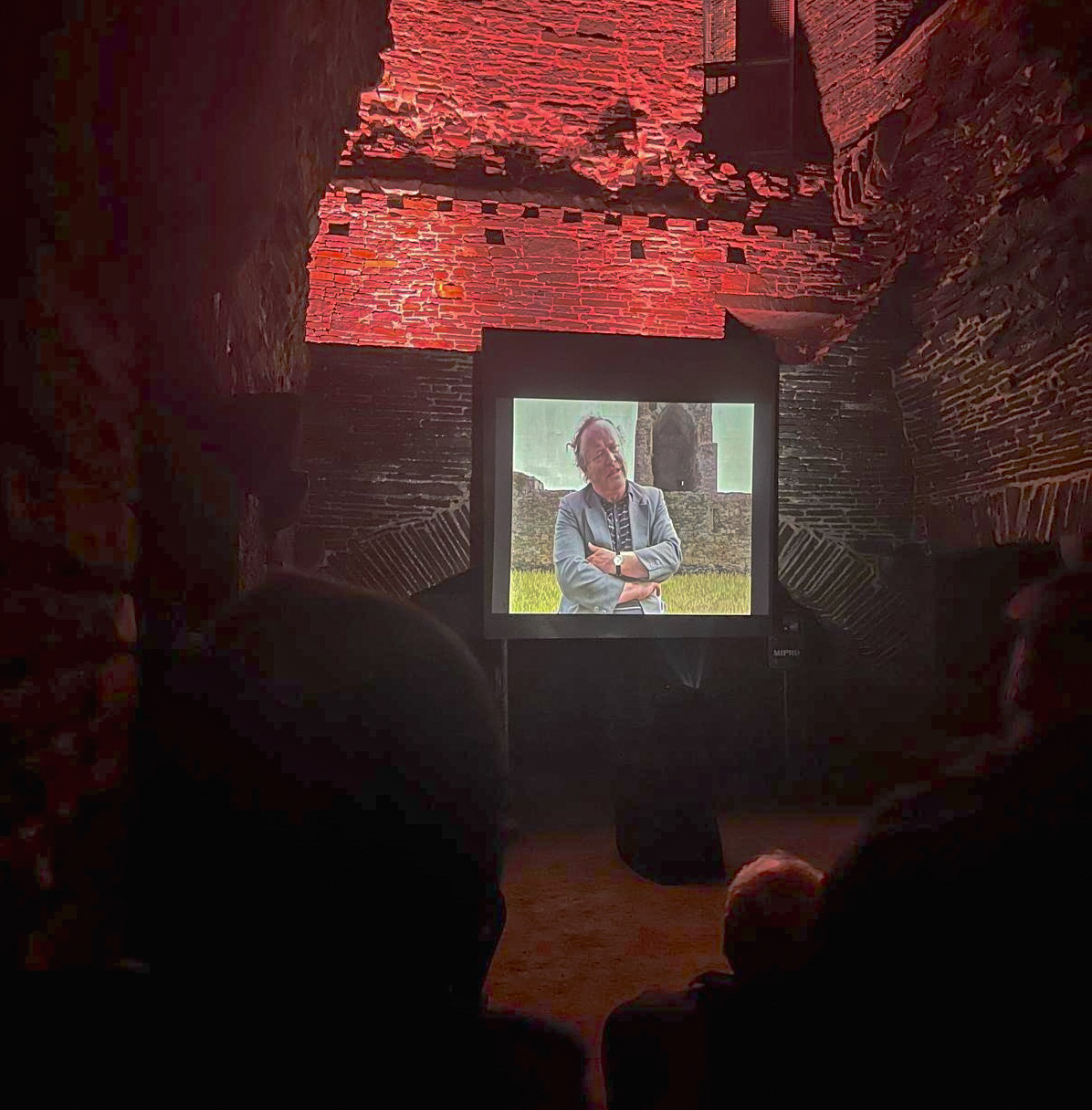
Turning a mediaeval castle into a community cinema: OPW’s monument care team with Rushes | Luachair  curator Laura Fitzgerald at a screening of Lorraine Neeson’s artwork Raven on 31 January 2026. L-R: Charlie Broderick, Paul Moynihan, Jim Counihan, Mike Moynihan, Laura Fitzgerald and artist Chris Steenson. (photo Ciarán Walsh | curator.ie).

Laura Fitzgerald installing her work in the Maurice Walsh exhibit at Kerry Writers’ Museum (photo: Ciarán Walsh | curator.ie)

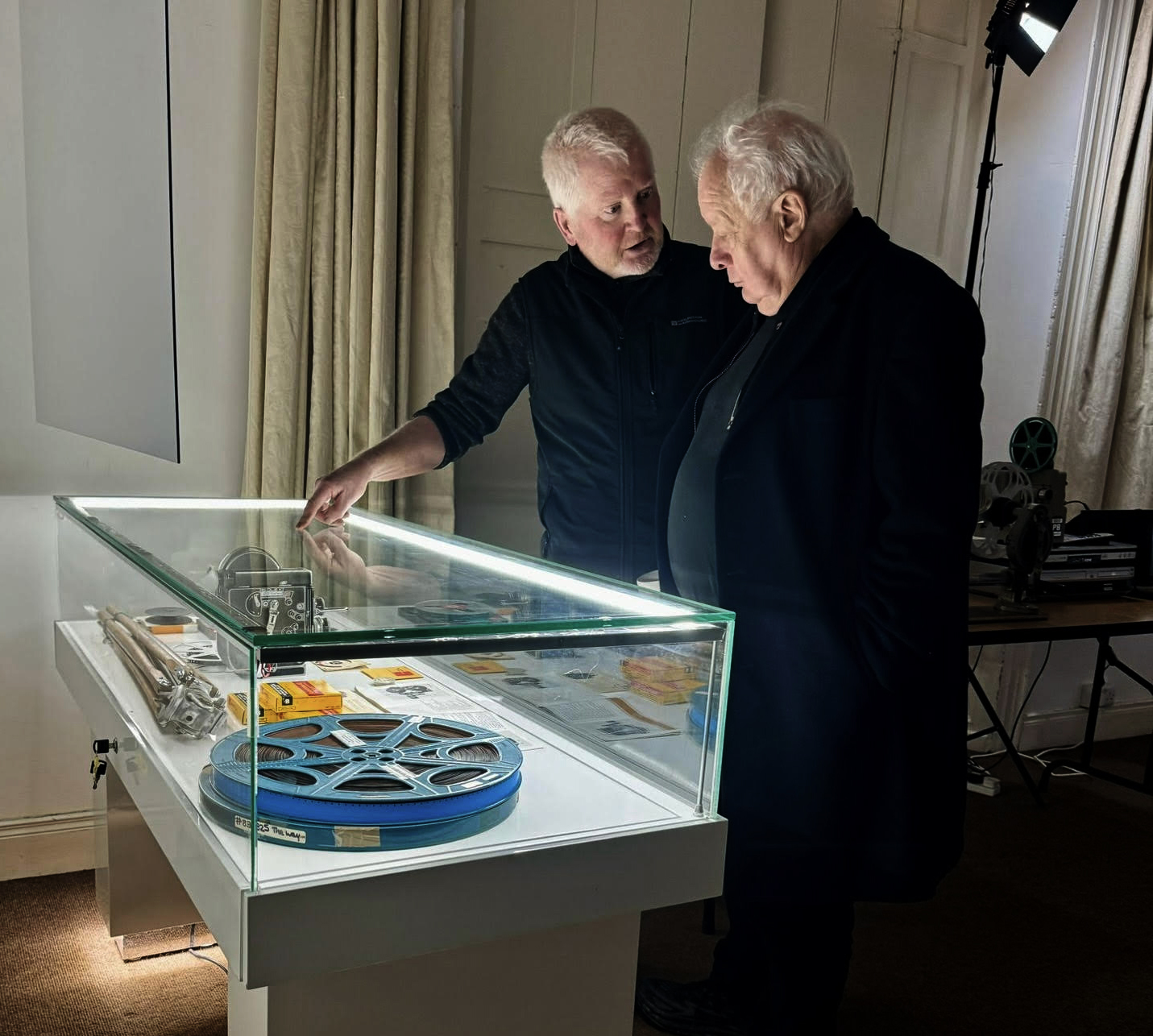
In 2025 Kerry Writers  acquired a remarkable collection of photographs that Tony Fizmaurice took between 1954 and the early 2000s.

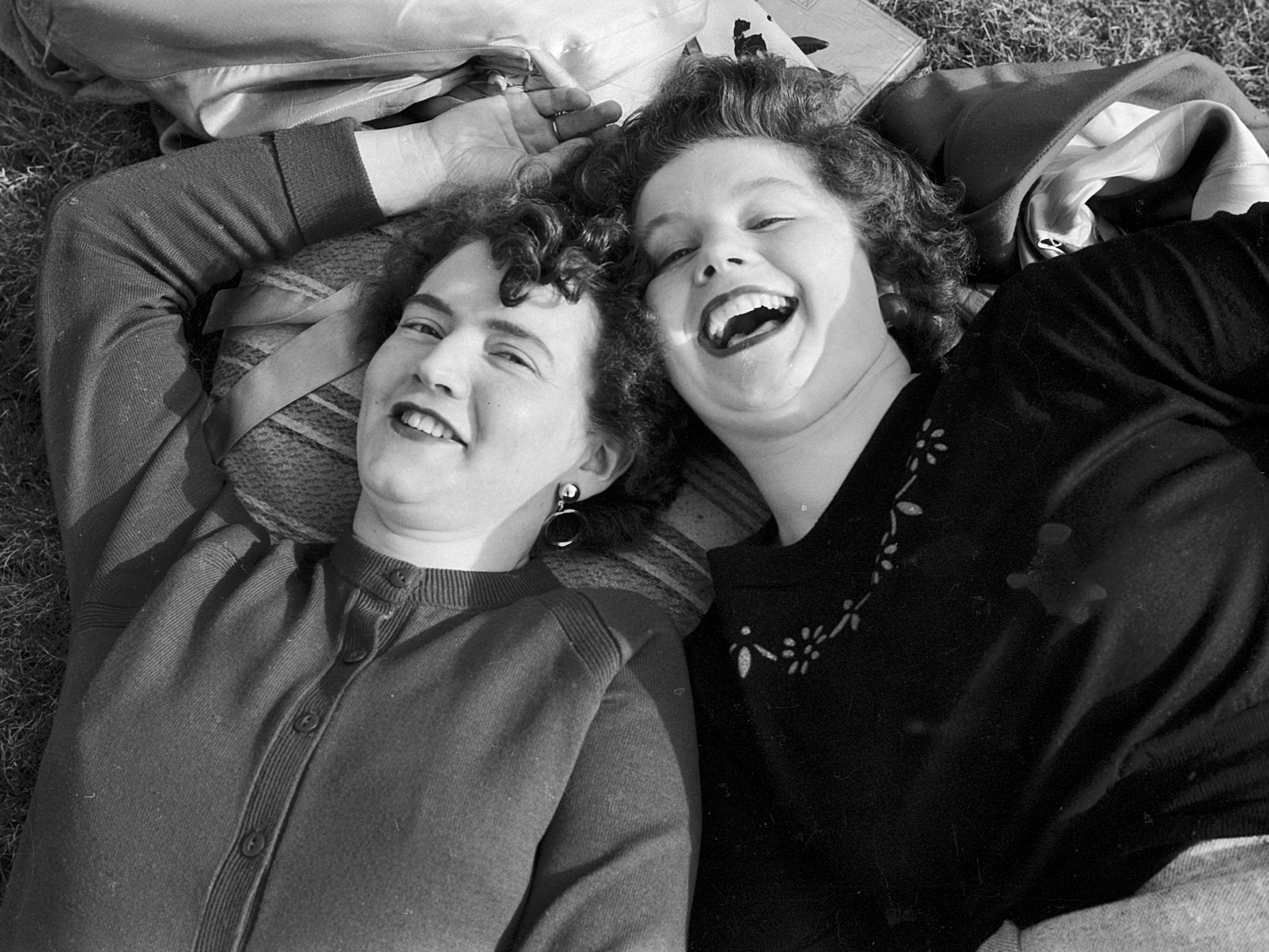
Photograph Tony Fitzmaurice took in 1953 in Ballybunion, Co Kerry, Ireland , shows two stylish young women lying on the grass on a summer afternoon. They are laughing.

Tony Fitzmaurice, circa 1960, Untitled, 35mm Kodak Safety black and white negative scanned by Kathy and Steve Reynolds.

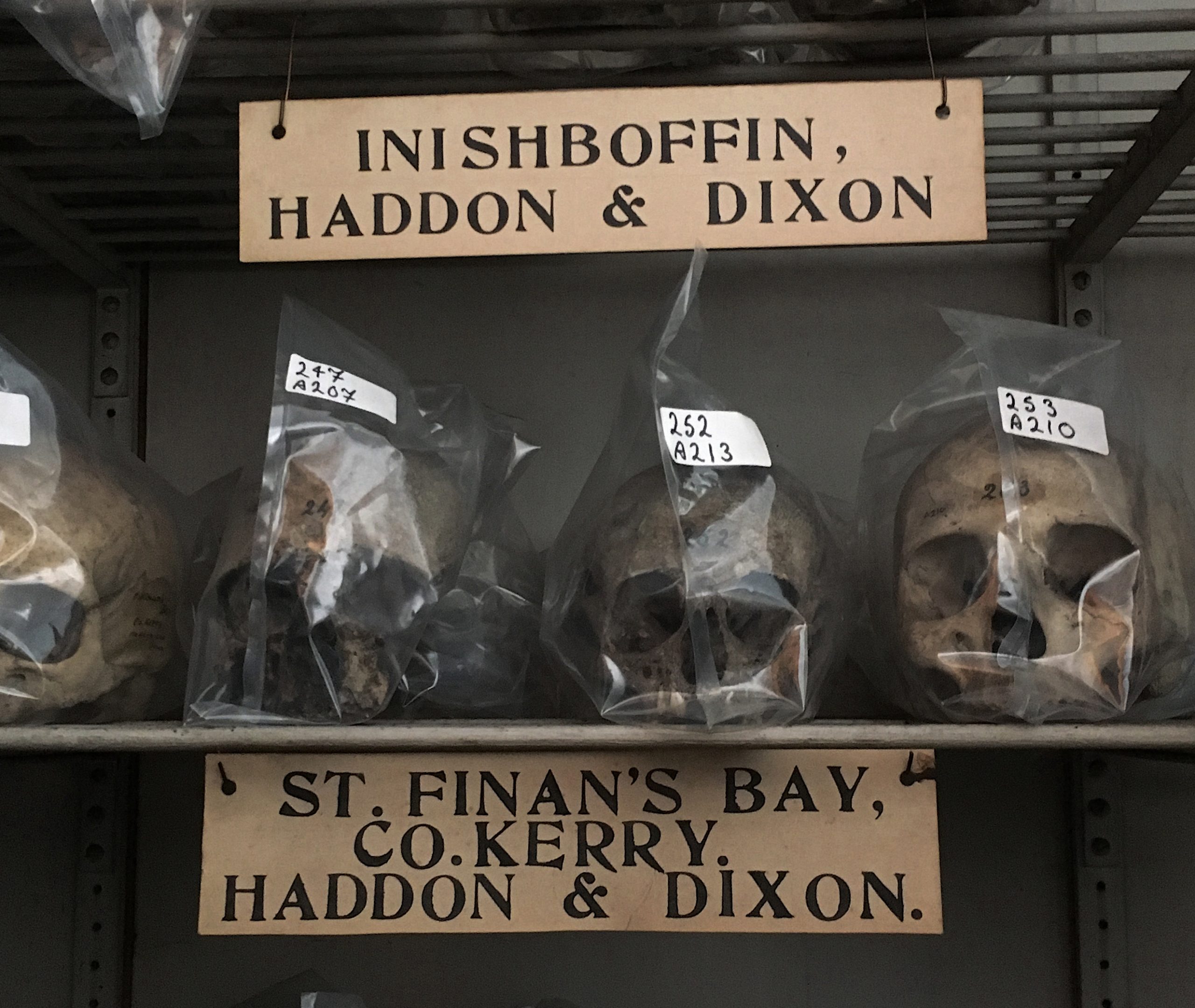
These projects matter. In 2012 Dáithí de Mordha and I curates “The Irish Headhunter” project, a touring exhibition of fifty photographs taken from albums in the manuscripts library in Trinity College, University of Dublin. One of photographs recorded a collection of human remains that Haddon stole from Teampall …


A. C. Haddon, 1890, Skulls in niche in Teampall Colmáin

Ciarán Walsh, 2014, "Skull Passage", TCD

Dublin Anthropometry Laboratory, 1891

Charles R. Browne, 1897, self portrait.

John & Charles Browne, 1893, Inishbofin

John Browne, 1893, Anthropometry in Inishbofin

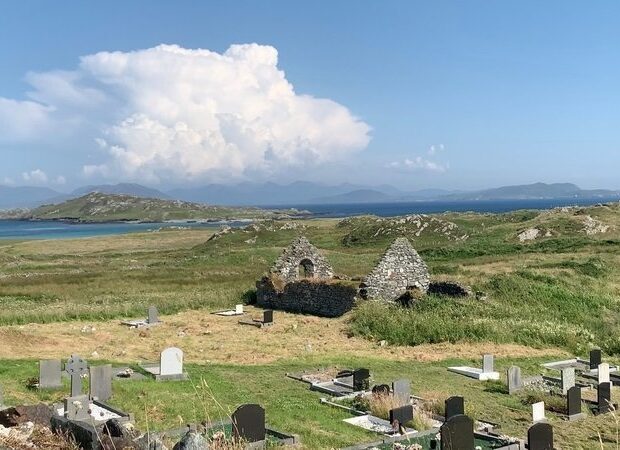
Burial site, Teampall Colmáin


Burial site, Teampall Colmáin

Iarsmaí

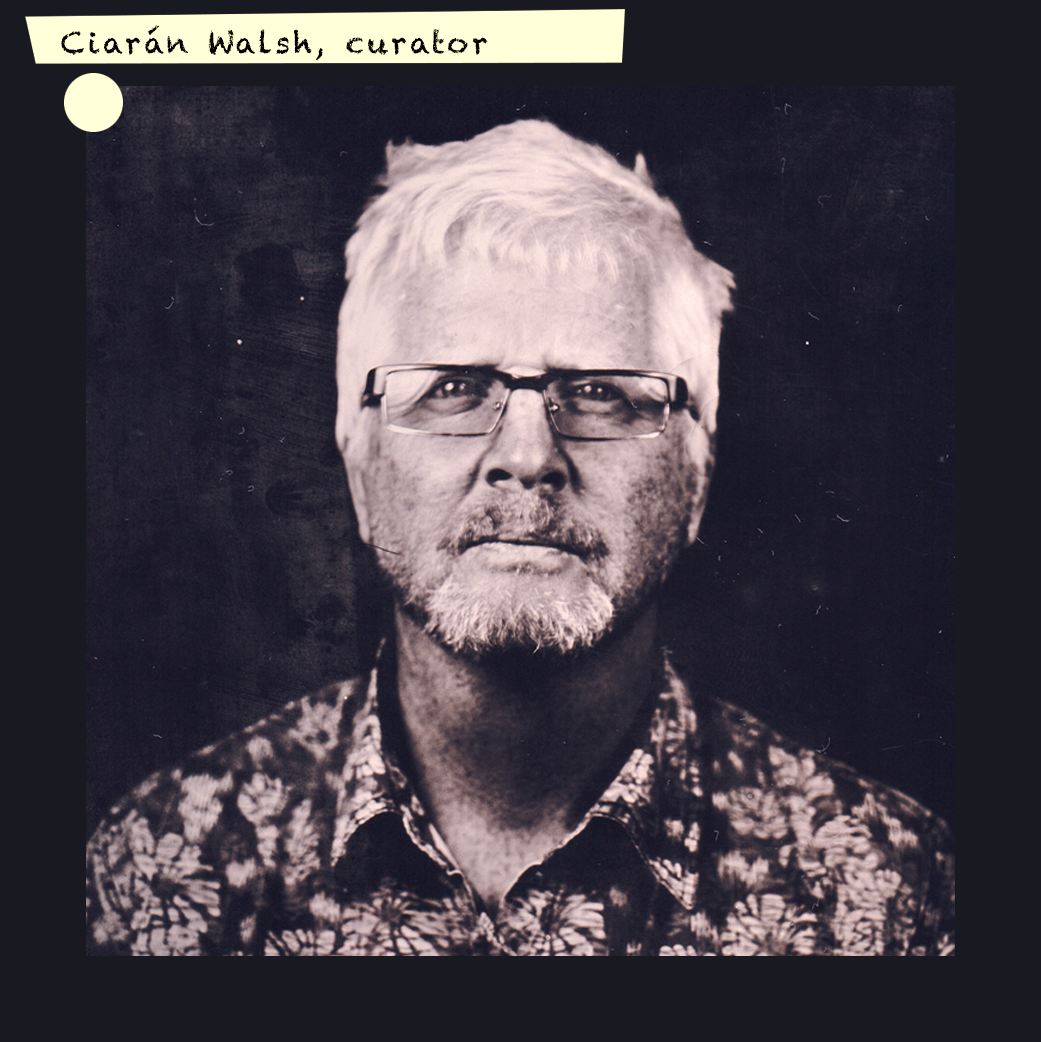
A head and shoulder self portrait of curator Ciarán Walsh shot on quarter plate glass negative with high gloss black background that creates a positive from a wet colloidal negative, also known as an ambrotype. The shot required an exposure time of 17 seconds, so Ciarán Walsh stares at camera. The photo is is black and white but keeps the silver toning typical of the process. The design is based on a mock up of lantern slides used by Alfred Cort Haddon in the 1890s.